
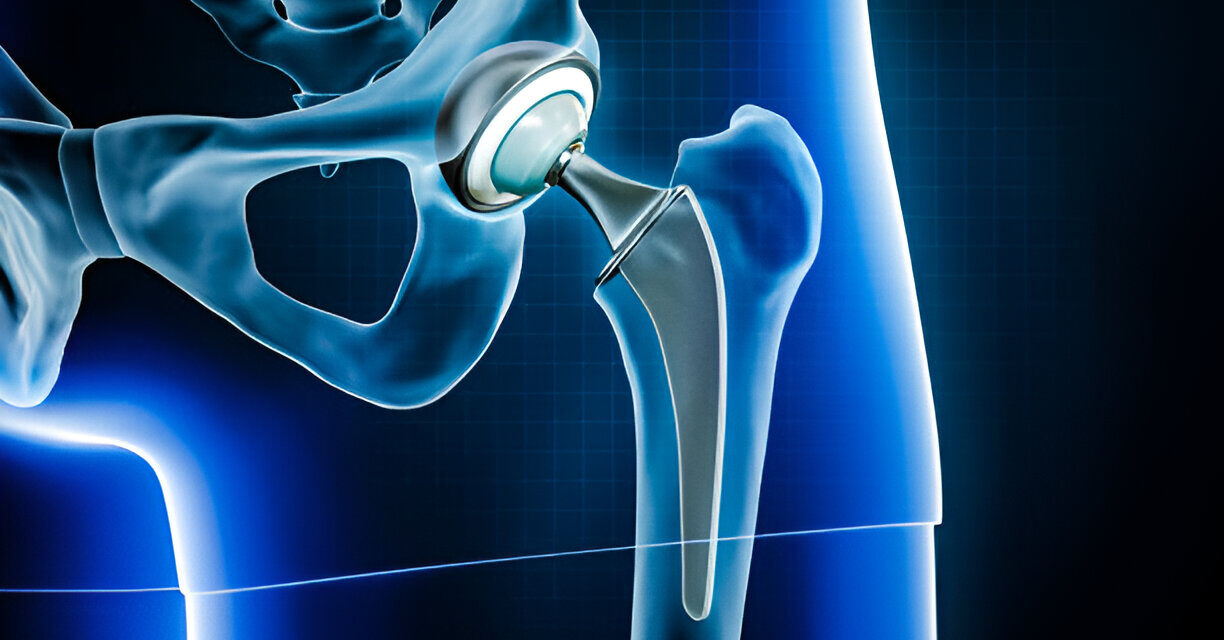
The total hip replacement surgery is crucial in restoring pain relief and improving mobility but it is important to keep in mind that the process does not end there. First, there must be a coherent and comprehensive postoperative rehabilitation plan in order to enhance strength and active life performance. This manual aims to describe the norms of good behavior which increase the chances of a successful and quick recovery from total hip replacement.
Understanding Total Hip Replacement Surgery
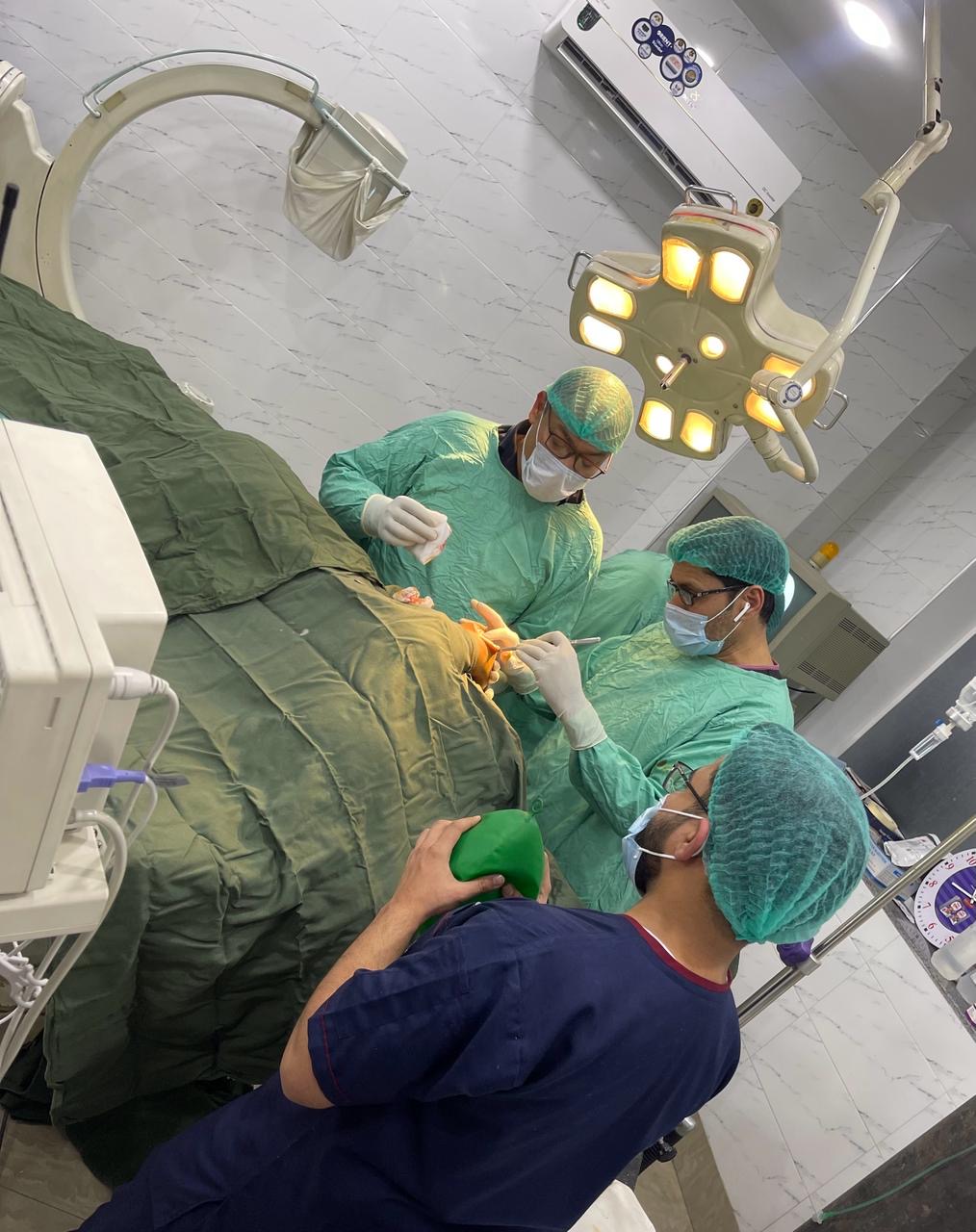
Тotal hip arthroplasty is a operation where the hip joint affected by a disease is replaced with an artificial hip joint. It’s a common procedure among patients suffering from end stage arthritis, fracture or other diseases of the hip region. At Gondal Medical & Trauma Center, Dr. Tafseer Gondal, a top orthopedic surgeon, has been performing this surgery mastering the technique and achieving better patient satisfaction.
Preparing for a Smooth Recovery
1. Pre-Surgery Preparation
Surgery is a stressful time and careful planning can aid in the recovery process. Here are a few suggestions to help you through this difficult time:
Be Intactive: Tread lightly so as not to exacerbate the soreness in the muscles surrounding your hip through minimal movements and exercises.
Eat Right: Incorporate a variety of nutritious foods into your diet to improve your chances of recuperating more quickly.
Pre-operative Preparation: Modify your living space so that falling is less likely to occur. Make sure that items you frequently use are easily accessible and that there are no obstacles in your way.
2. Understand Post-Surgery Protocols
A set of instructions for post-operative care will be given to you by your medical team, which includes your surgeon. Being knowledgeable about these instructions can be useful for you during the recovery period.
Post-Surgery Recovery Steps
1. Immediate Post-Surgery Care
The initial days after surgery are very important to set the pace as concerns your rehabilitation process:
Observe The Doctor’s Orders: Take medications and apply the pertinent dressings as instructed.
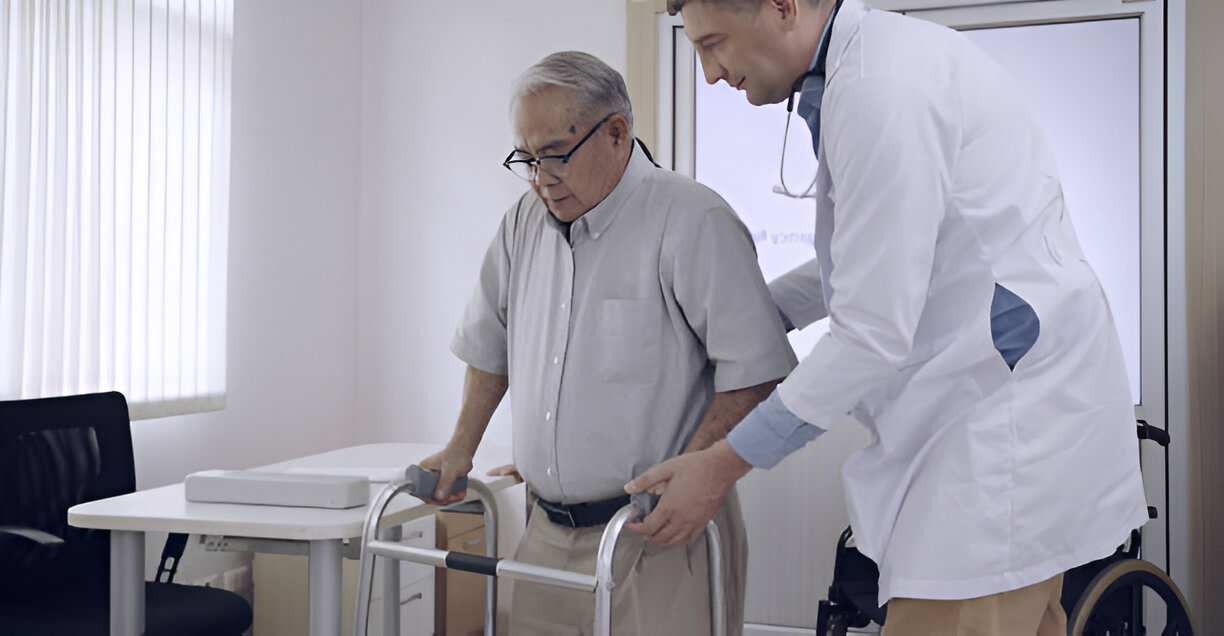
Utilize Mobility Aids: Crutches, walkers, or canes can offer needed assistance and also enhances safety.
Pain Management: Take the prescribed analgesics and apply cold compresses to reduce the swelling.
2. Physical Therapy and Exercise
Restoration of strength and mobility is impossible without rehabilitation:
Early Start: Engage in physical therapy as soon as the doctor allows. Moving around helps with the prevention of stiffness and blood clots.
Gradual Progression: Gentle exercises such as ankle pumps and knee bends should be performed prior to progressing into more strenuous exercises.
Consistency: Faster recovery from this condition relies on scheduled physical therapy on a regular basis.
3. Diet and Nutrition
A balanced diet is important for recovery as follows:
Protein-Rich Foods: Repair and grow muscle tissue.
Calcium and Vitamin D: Provide form and stability to bones and help with implant incorporation.
Hydration: Drink enough water to support recovery.
Observe The Doctor’s Orders: Take medications and apply the pertinent dressings as instructed.
Utilize Mobility Aids: Crutches, walkers, or canes can offer needed assistance and also enhances safety.
Pain Management: Take the prescribed analgesics and apply cold compresses to reduce the swelling.


4. Lifestyle Adjustments
Little changes in your daily habits can lead to important improvements:
Skip High-Impact Activities: To protect your new hip joint, stay away from things like running or jumping.
Use Good Sleeping Positions: Sleep on your back with a pillow placed between your legs for better alignment.
Watch Your Progress: Regular visits to your surgeon help make sure you heal the right way.
Tips for Faster Recovery
- Pay Attention to Your Body: Avoid pushing yourself too hard while recovering.
2. Maintain a Good Attitude: Keeping a positive outlook can help you heal better.
3. Get Help: Turn to family, friends, or professionals if you require assistance.
FAQs About Total Hip Replacement Recovery
1. How long does it take to recover fully from total hip replacement surgery?
Recovery times vary, but most patients resume normal activities within 6 to 12 weeks. Full recovery can take up to a year.
2. Can I drive after surgery?
You can resume driving once you regain strength and mobility in your operated leg, typically after 4-6 weeks.
3. What are the signs of complications?
Contact your doctor if you experience severe pain, swelling, fever, or signs of infection.
4. How soon can I return to work?
This depends on your job type. Desk jobs may be resumed in 4-6 weeks, while physically demanding roles may require up to 3 months.
5. Are there activities I should avoid permanently?
High-impact activities and sports with a high risk of falls should be avoided to protect your implant.
Trust the Experts at Gondal Medical & Trauma Center
Dr. Tafseer Gondal is an orthopedic surgeon with many years of experience. He has assisted many patients in getting their movement back by performing total hip replacement surgeries. At Gondal Medical & Trauma Center, the team uses modern techniques and provides personal care to support every patient in having a good recovery.
Begin your recovery journey now with our skilled team. For more details and to set up a consultation, please visit Gondal Medical & Trauma Center or arrange an appointment with Dr. Tafseer Gondal.



Trackbacks/Pingbacks