

Back pain is a prevalent health issue globally, impacting millions of people annually. While surgery might appear to be the sole solution for relief, there are many non-surgical approaches that can successfully alleviate back pain and enhance overall well-being. These methods tend to be less invasive, often more affordable, and carry fewer risks than surgical options. In this blog, we will delve into different non-surgical treatments for back pain, share practical strategies for pain management, and discuss how lifestyle modifications can lead to meaningful improvements.
Understanding Back Pain: Causes and Types
Back pain can result from various causes, including:

- Poor posture
- Muscle strain or ligament sprain
- Herniated discs
- Degenerative disc disease
- Osteoarthritis
- Sciatica
There are two main types of back pain:
Acute back pain

Sudden onset, typically resulting from an injury or strain, and lasting for less than six weeks.
Chronic back pain

Chronic pain that persists for over three months is often associated with underlying issues such as arthritis or disc problems.
Understanding the cause and type of back pain is crucial for determining the most effective treatment options.
Why Choose Non-Surgical Interventions?
Understanding the cause and type of back pain is crucial for determining the most effective treatment options.
-
Lower risk of complications
-
Shorter recovery periods
-
More affordable options
-
Ability to address underlying causes of pain rather than just symptoms
By concentrating on non-surgical treatments, people can find effective pain relief while preserving their overall health and mobility.
Effective Non-Surgical Methods for Chronic Back Pain
Non-surgical methods are customized based on the severity and root causes of back pain. Some of the most effective options include:

Physical Therapy
Physical therapy includes a variety of exercises and techniques aimed at enhancing strength, flexibility, and posture. Therapists develop personalized plans that focus on the specific areas of concern, facilitating long-term recovery. Consistent physical therapy sessions can help alleviate pain, boost mobility, and reduce the risk of future injuries.
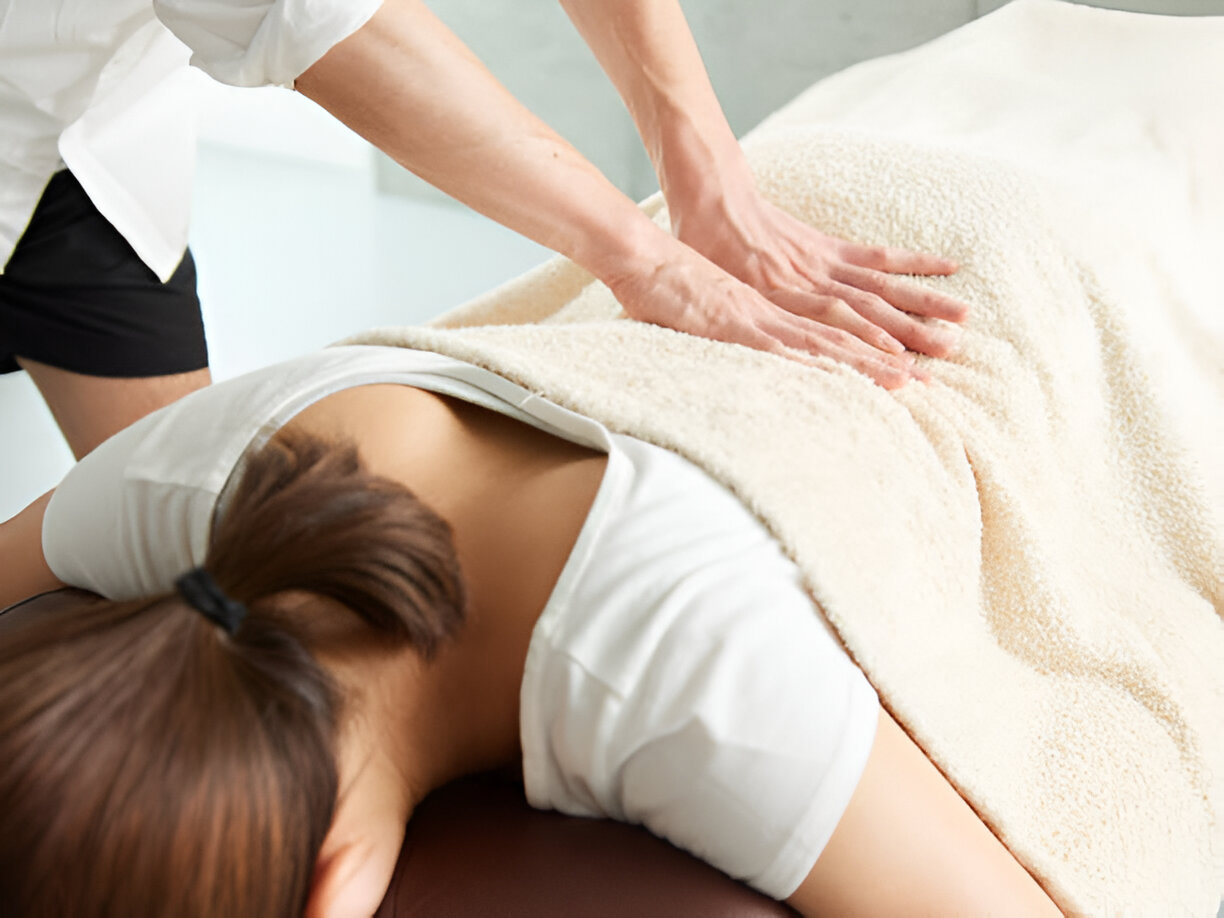
Chiropractic Care
Chiropractic adjustments help realign the spine, relieving pressure on nerves, which can reduce pain and enhance overall function. This approach is especially beneficial for issues such as sciatica and herniated discs.
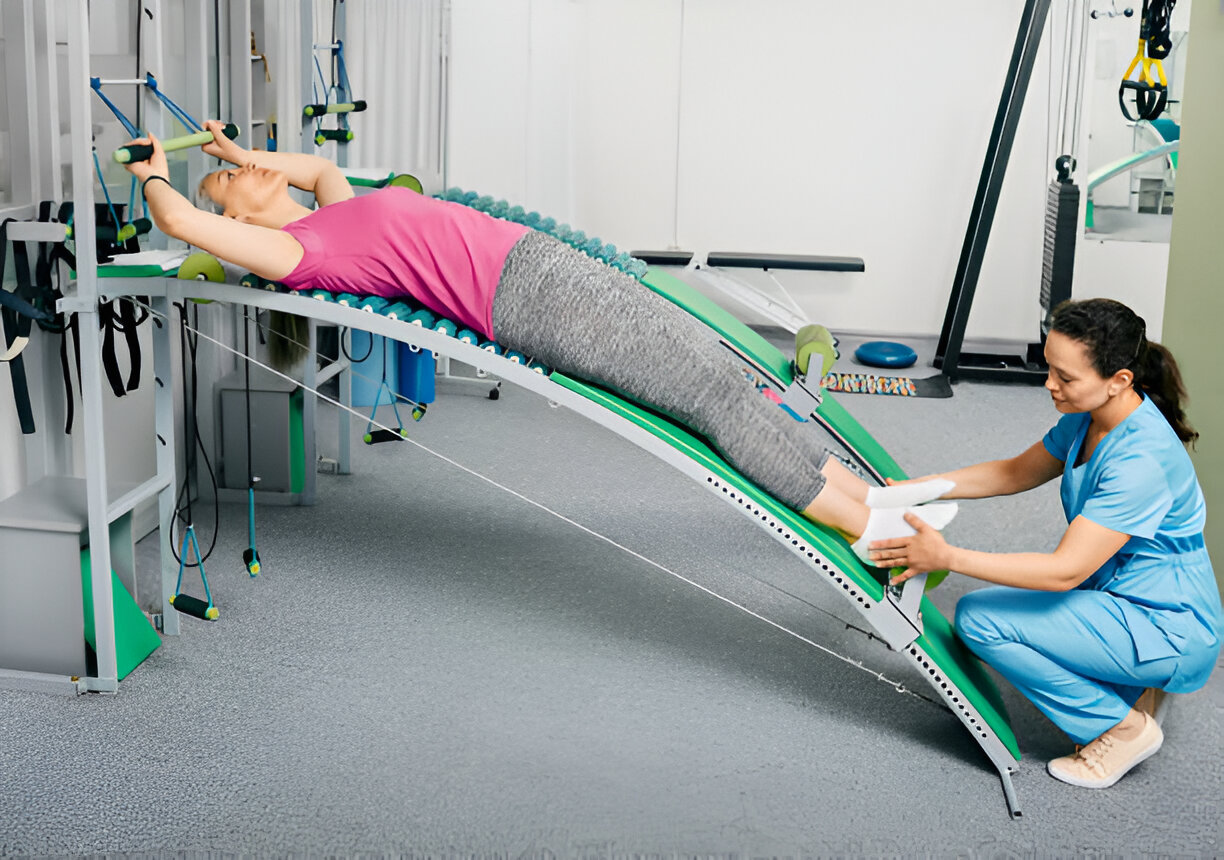
Spinal Decompression Therapy
This treatment gently stretches the spine to alleviate pressure on the discs and nerves. It’s commonly used for issues such as degenerative disc disease or herniated discs.
Best Exercises to Relieve Lower Back Pain Without Surgery
Exercise plays a crucial role in managing back pain without surgery. Here are some effective exercises to consider:
Stretching Exercises
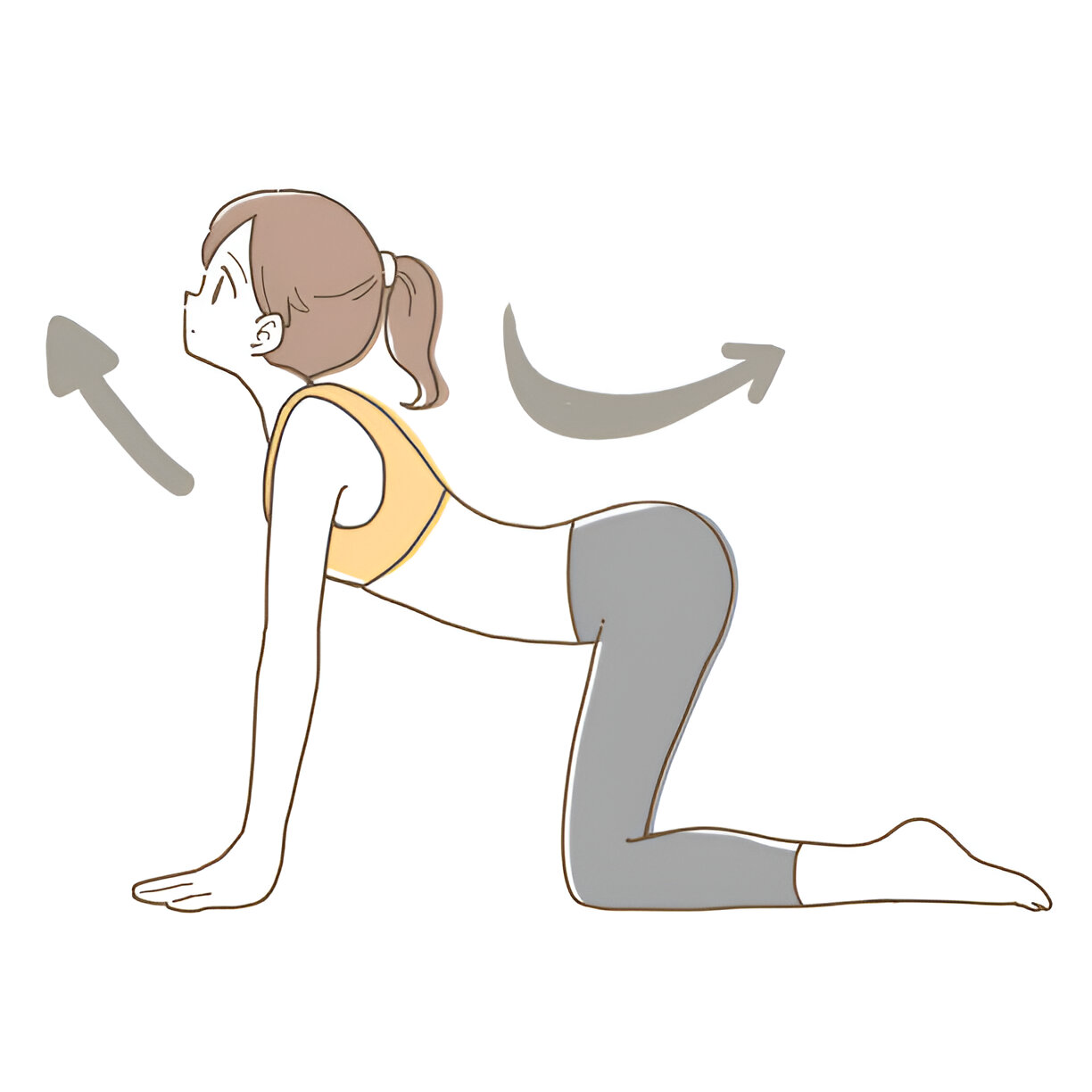
Cat-Cow Stretch
Enhances flexibility and alleviates tension in the back.
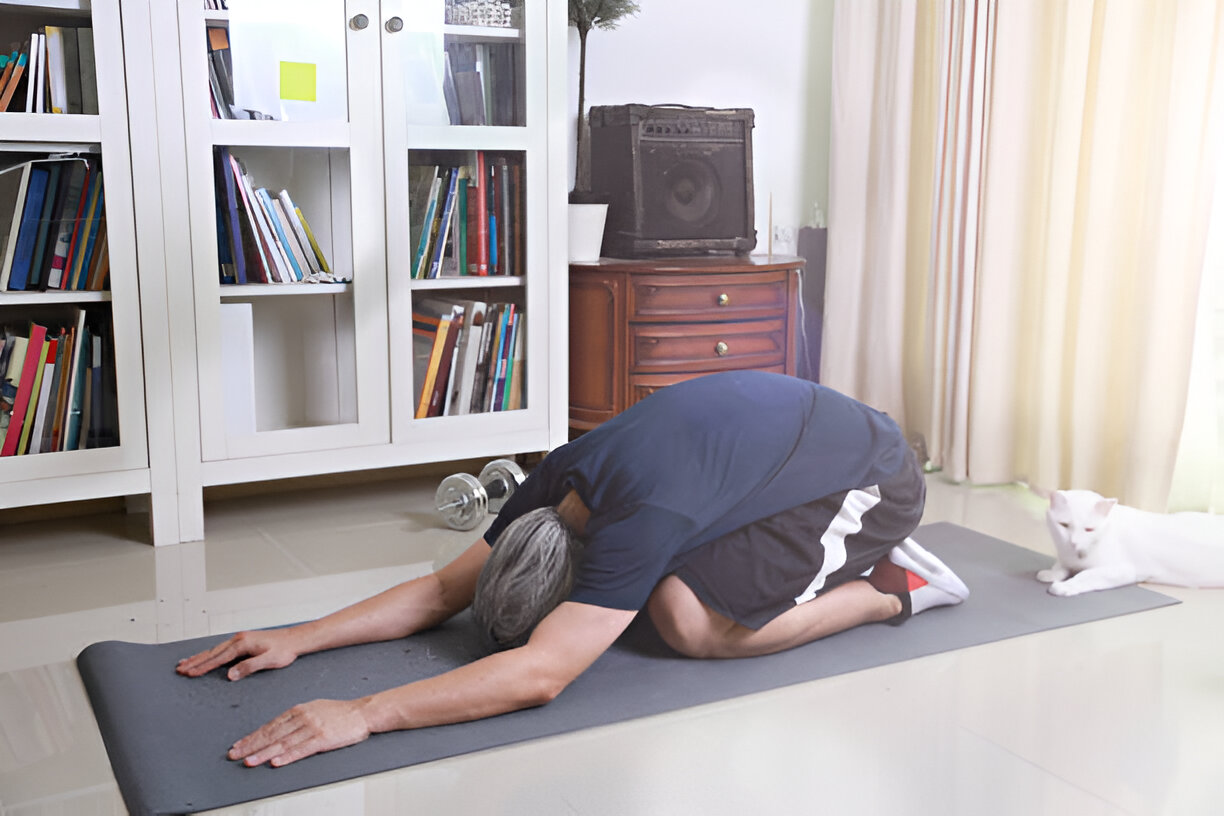
Child’s Pose
Gently stretches the lower back and hips.
Strengthening Exercises

Planks
Enhance your core muscles to provide better support for the spine.

Bridges
Focus on your lower back and glutes.
Yoga for Chronic Back Pain
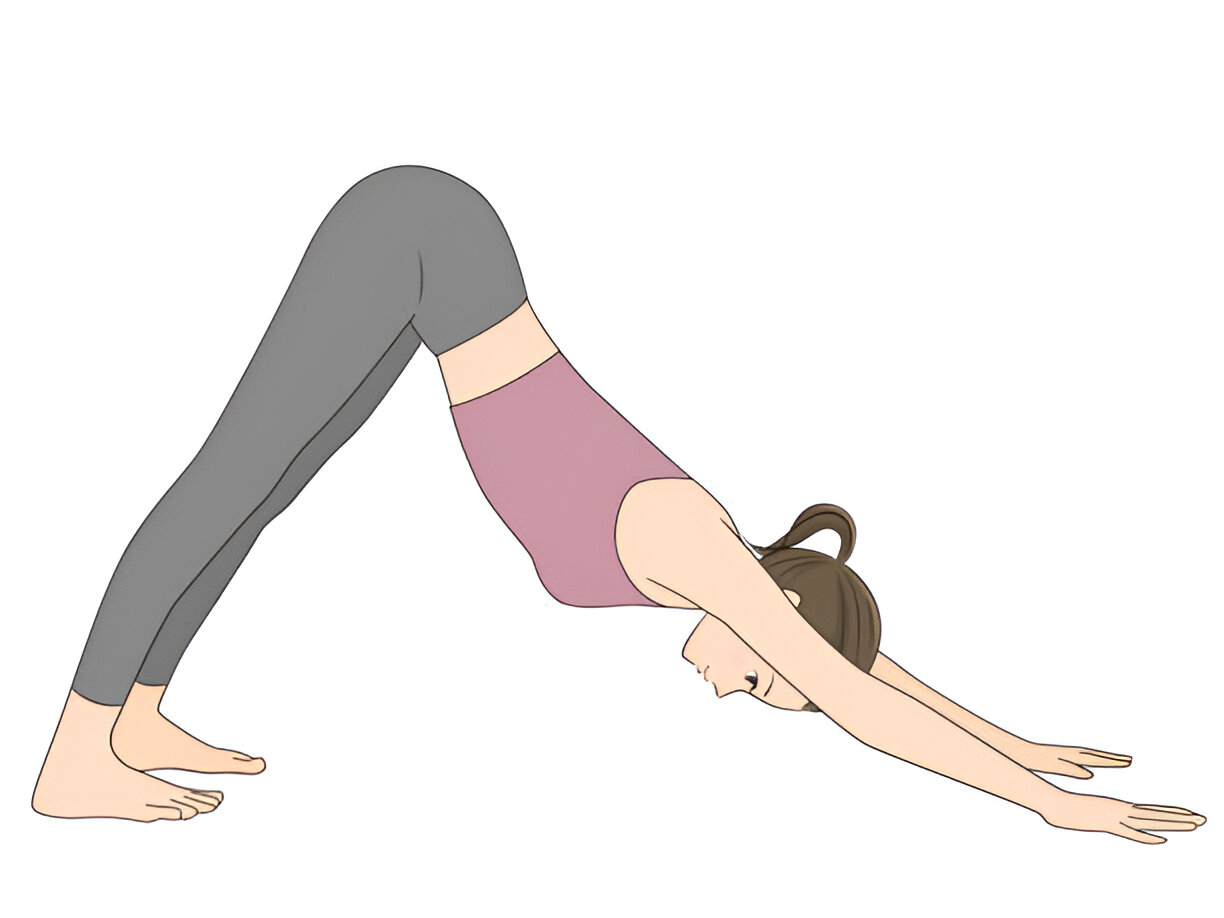
Downward Dog
Extends the whole back and enhances posture.

Cobra Pose
Enhances lower back strength and boosts flexibility.
How to Manage Back Pain at Home Naturally
Simple home remedies can offer relief and work alongside professional treatments.
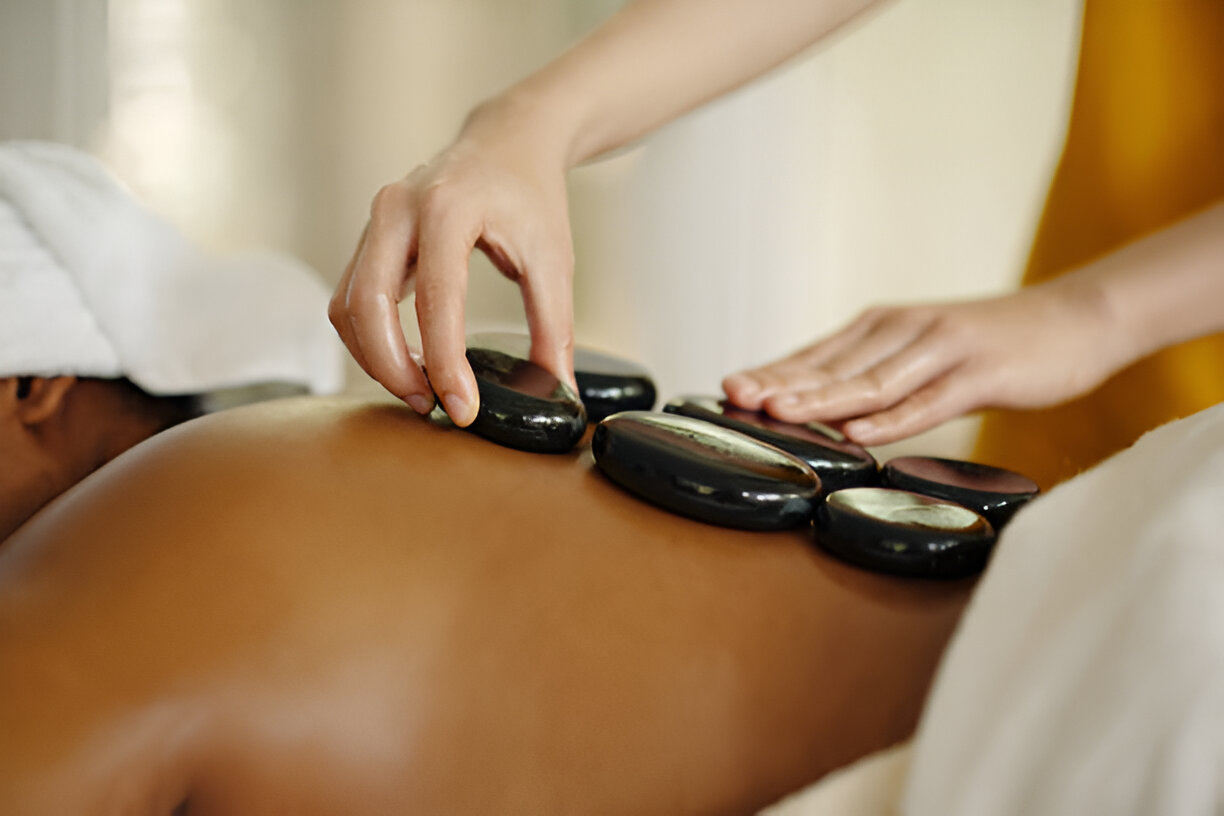
Heat and Cold Therapy
-
Use a heating pad to relax muscles and improve blood flow.
-
Apply a cold pack to reduce inflammation and numb acute pain.
Massage Techniques

Regular massages can help reduce muscle tension and enhance circulation, leading to quicker recovery.
Proper Sleeping Positions
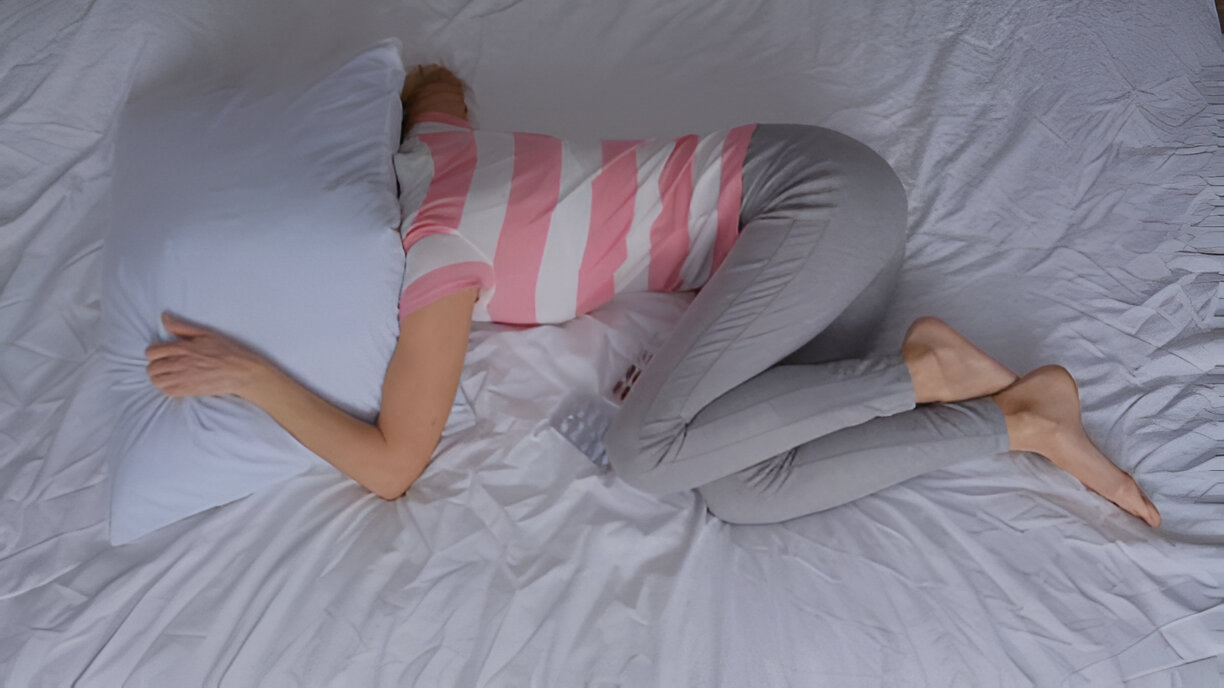
Sleeping on your back or side with a pillow placed under your knees can help alleviate strain on the spine.
Role of Physical Therapy in Non-Surgical Back Pain Recovery
Physical therapy plays a vital role in managing back pain. Therapists employ various techniques, including:
Manual therapy
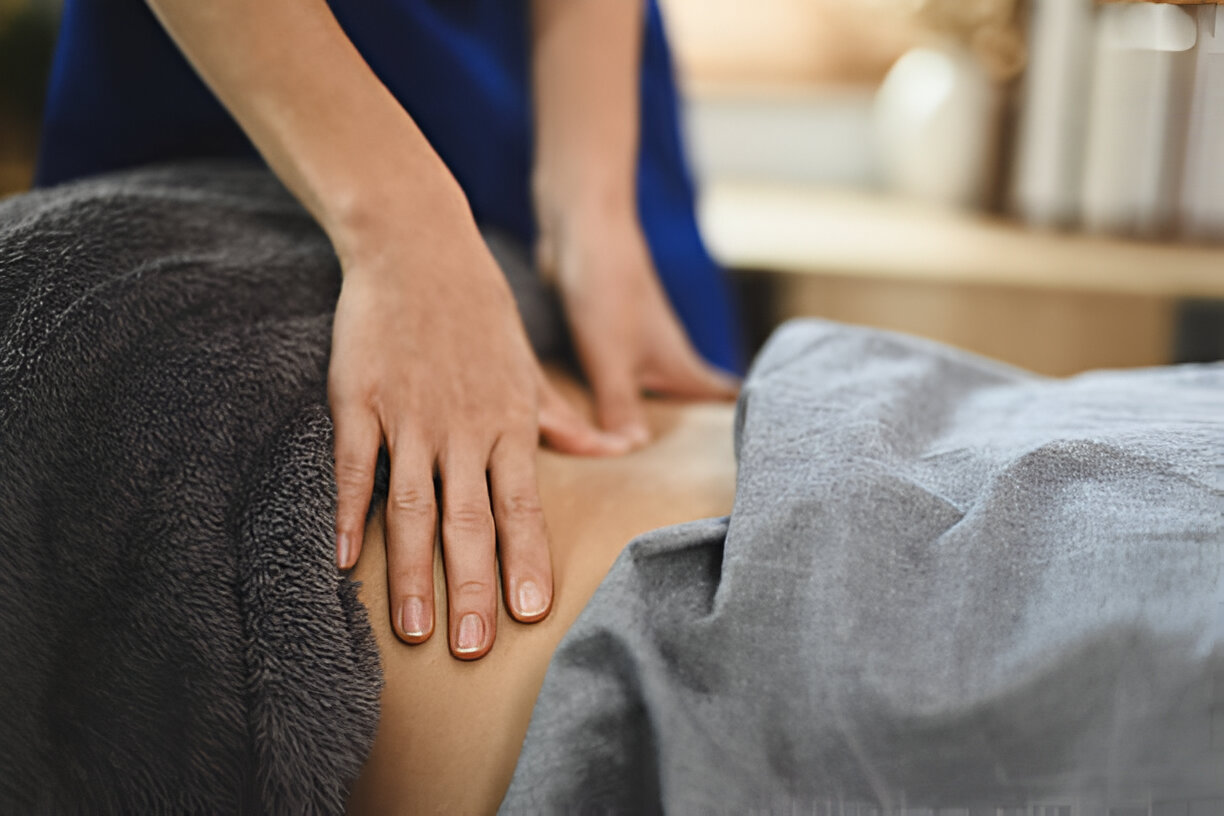
Practical techniques to alleviate pain and enhance movement.
Electrotherapy
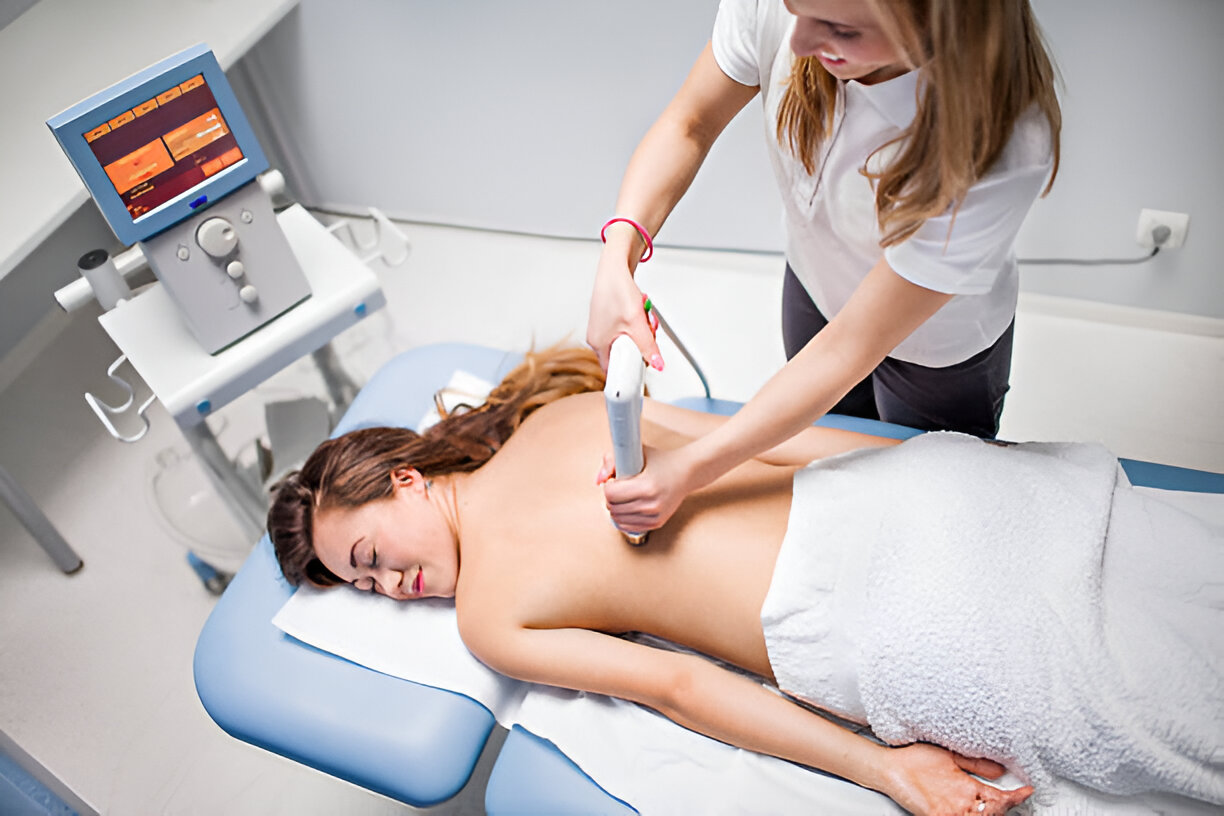
Electrical stimulation can help alleviate pain signals.
A structured plan in physical therapy targets the underlying cause of pain and aids in preventing it from coming back.
Common Lifestyle Changes for Managing Back Pain
Adopting healthy habits can significantly reduce back pain and improve overall spine health:

Maintaining a Healthy Weight
Carrying excess weight adds extra strain on the spine, which can result in pain. Maintaining a balanced diet and engaging in regular exercise are effective ways to reach and sustain a healthy weight.
Regular Exercise
Participating in low-impact activities such as swimming or walking helps to build muscle strength and enhance flexibility.


Ergonomic Workplace Adjustments
Using ergonomic chairs, adjusting the height of your desk, and taking regular breaks can help alleviate back strain.
Natural Remedies to Alleviate Back Pain in Seniors
Back pain is especially prevalent among seniors, but there are effective non-surgical treatments that can offer substantial relief.
-
Herbal Remedies: Turmeric and ginger have anti-inflammatory properties.
-
Gentle Activities: Tai chi and water aerobics improve flexibility and reduce pain without straining the back.
How Posture Correction Reduces Back Pain Without Surgery
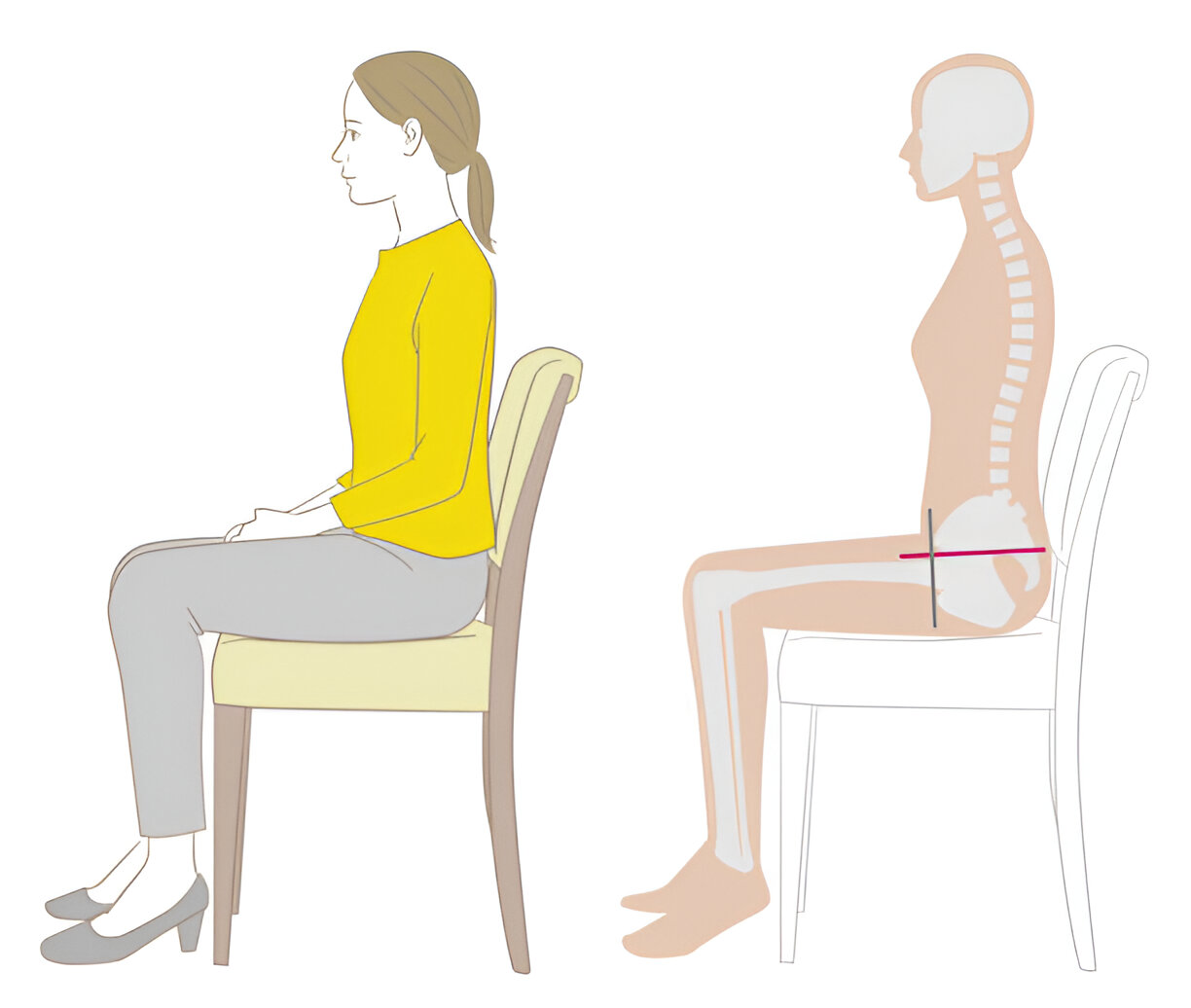
Posture is essential for maintaining a healthy spine. If you have poor posture, it can result in chronic pain as time goes on. Here are some tips to help improve your posture:
- Sitting with feet flat on the floor and back straight.
- Avoiding slouching while standing or walking.
- Using lumbar support while sitting for extended periods.
Non-Invasive Treatments for Sciatica Pain in the USA
Sciatica, which occurs when the sciatic nerve is compressed, can be quite debilitating. Non-invasive treatments include:

- Epidural Steroid Injections: Reduce inflammation and alleviate pain.
- Acupuncture: Stimulates specific points to relieve pain.
- TENS Therapy: Uses electrical impulses to reduce pain signals.
FAQs About Non-Surgical Back Pain Treatments
Q: Are non-surgical treatments effective for chronic back pain?
A: Yes, many non-surgical treatments can effectively manage and even eliminate chronic back pain by addressing its root causes.
Q: How long does it take to see results from physical therapy?
A: Most individuals notice improvements within a few weeks, but the duration depends on the severity of the condition.
Q: Can lifestyle changes prevent back pain?
A: Yes, maintaining a healthy weight, staying active, and using ergonomic furniture can significantly reduce the risk of back pain.
Q: Is spinal decompression therapy safe?
A: Yes, when performed by a trained professional, spinal decompression therapy is a safe and effective method for relieving back pain.
Conclusion
Managing back pain without surgery is not only achievable but can also be very effective when approached correctly. There are many non-surgical options available, including physical therapy, lifestyle adjustments, natural remedies, and posture improvement. If you’re dealing with back pain, consider consulting an expert like Dr. Tafseer Gondal at Gondal Medical & Trauma Center to discuss personalized treatment plans and begin your path to a pain-free life.




Trackbacks/Pingbacks