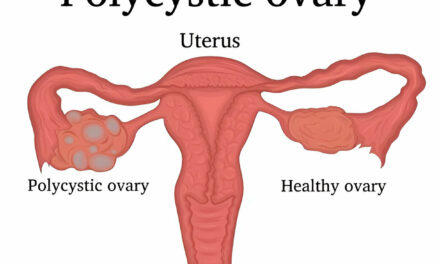

What is PCOS?
Polycystic Ovary Syndrome, or PCOS, is a condition that influences a woman’s hormone levels, resulting in irregular menstrual cycles, elevated androgen levels, and the formation of small cysts on the ovaries. If not addressed, this hormonal imbalance can affect fertility and overall health.

PCOS Causes
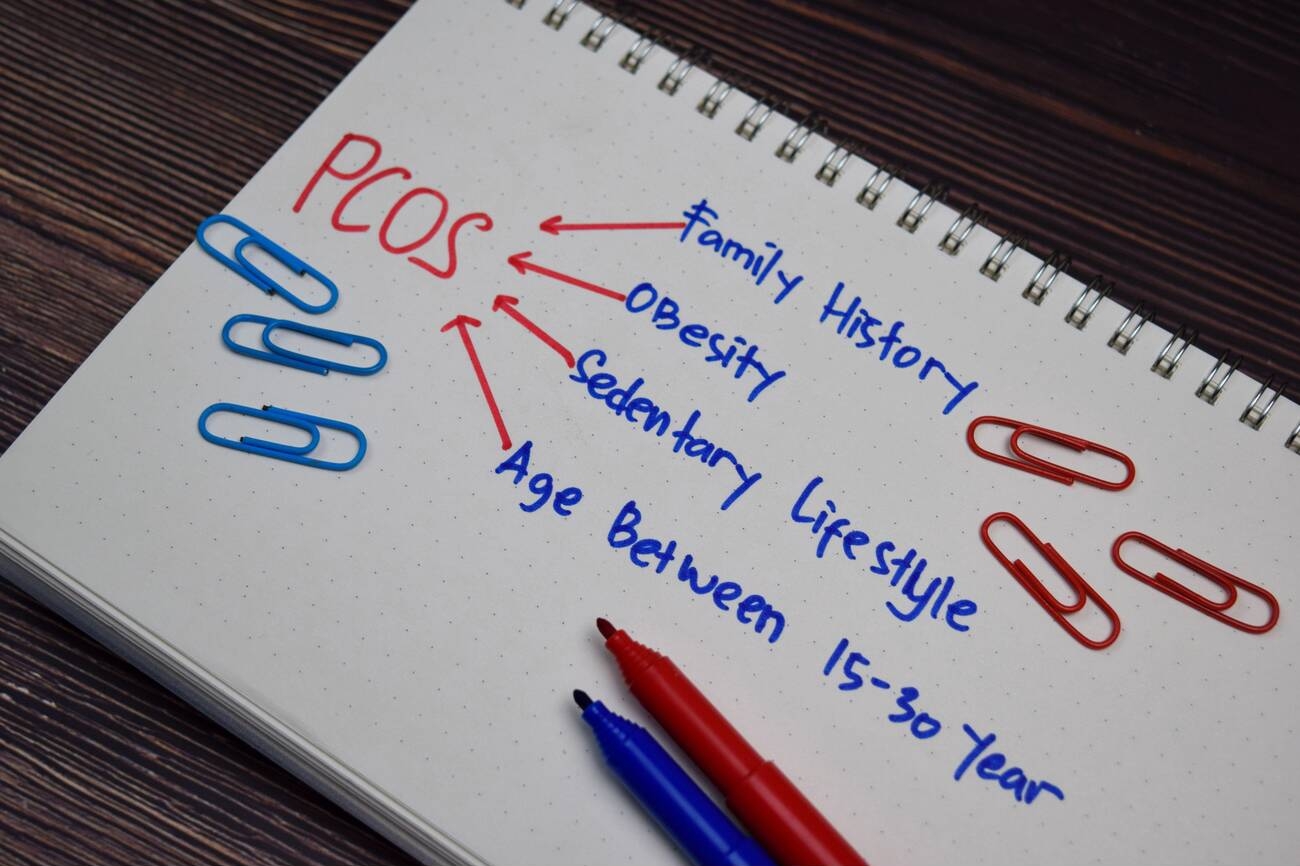
Hormonal Imbalance: Elevated levels of androgens, often referred to as male hormones, can interfere with the ovulation process.
Genetic Factors: Having a family history of PCOS or diabetes raises the likelihood of developing the condition.
Common PCOS Symptoms
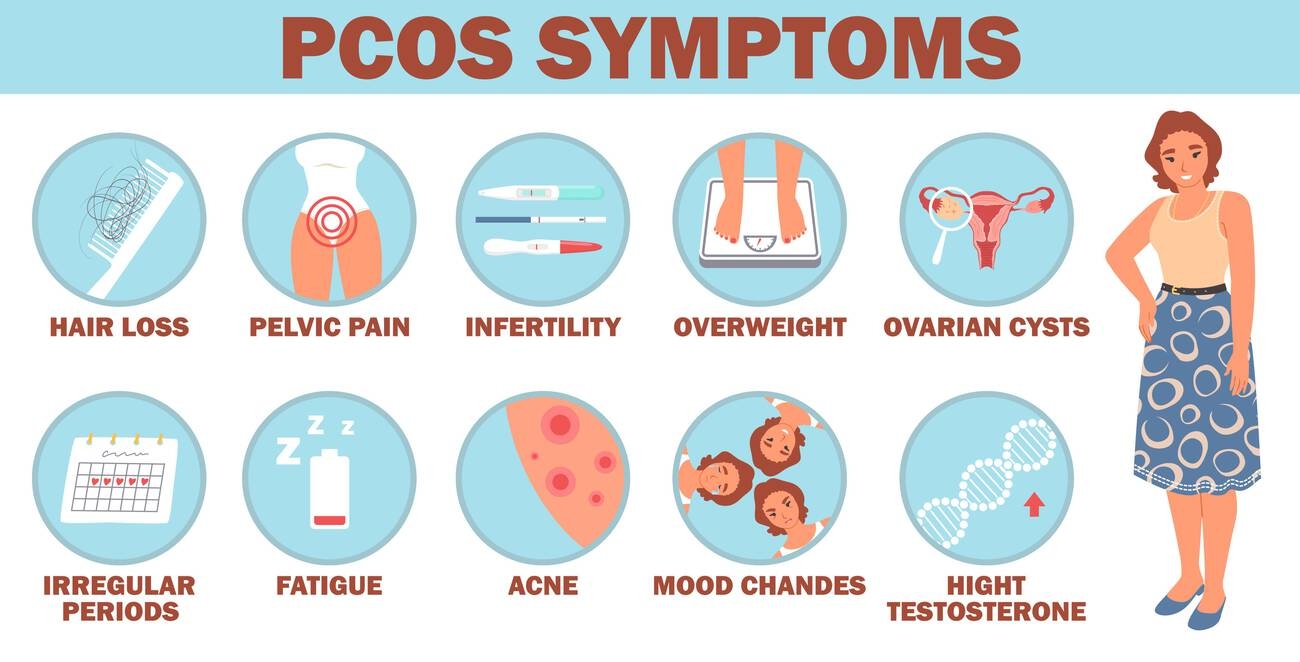
Identifying the symptoms of PCOS is essential for prompt diagnosis and effective treatment. While symptoms can differ from person to person, they commonly include:
Irregular Periods: Skipped or infrequent periods are a common sign of PCOS.
Excess Hair Growth: Known as hirsutism, this condition can lead to unwanted hair growth on areas like the face, chest, and back.
Acne and Oily Skin: Hormonal imbalances frequently result in severe acne.
Weight Gain: Many women with PCOS find themselves dealing with unexplained weight gain.
Hair Thinning or Loss: PCOS may lead to thinning hair or male-pattern baldness. Infertility: Many women face challenges in getting pregnant due to irregular ovulation.
Symptoms of PCOS in Young Women
- Early onset of irregular periods
- Excessive acne
- Sudden weight gain during puberty
Diagnosing PCOS
Healthcare professionals usually diagnose PCOS through a combination of:
Physical Exam: Evaluating symptoms such as excessive hair growth and acne.
Ultrasound: Detecting cysts on the ovaries.
Blood Tests: Analyzing hormone levels and insulin resistance.

Best Treatments for PCOS
Although there is no definitive cure for PCOS, there are several treatment options available that can help alleviate symptoms and enhance overall quality of life.

Medications
Birth Control Pills: Help to regulate menstrual cycles and lower androgen levels.
Metformin: Enhances insulin sensitivity and can assist with weight management.
Clomiphene: A medication used for women who are trying to conceive.
PCOS Natural Remedies
Herbal Supplements: Ingredients such as spearmint and cinnamon might help lower androgen levels.
Acupuncture: Research indicates that acupuncture could help balance hormones and enhance ovulation.
Lifestyle Modifications
Making lifestyle changes is crucial for managing PCOS symptoms in a natural way.
Effective Lifestyle Changes for PCOS
Dietary Adjustments
PCOS Diet: Emphasize whole foods, lean proteins, and high-fiber carbohydrates to help manage insulin levels.
Anti-inflammatory Foods: Add ingredients such as turmeric, ginger, and fatty fish to help lower inflammation.


Exercise Tips for Managing PCOS Symptoms
Cardio Workouts: Activities like running, swimming, and cycling are effective for weight loss.
Strength Training: Enhances insulin sensitivity and helps in building muscle mass.
Yoga and Meditation: Great for alleviating stress and promoting hormonal balance.
How to Reduce Weight with PCOS Naturally
Losing weight can be tough for women dealing with PCOS, but these strategies may help:
Caloric Deficit: Cut back on calories while ensuring your diet is full of nutrients.
Intermittent Fasting: Research suggests this approach might improve insulin resistance.
Portion Control: Aim for smaller meals to help keep blood sugar levels steady.

Role of Diet in Managing PCOS Symptoms
A balanced diet designed for PCOS can greatly enhance symptoms. Emphasize:
Low Glycemic Index Foods: These assist in regulating blood sugar levels.
Healthy Fats: Incorporate avocados, nuts, and olive oil.
Minimized Processed Foods: Steer clear of sugary beverages and refined carbohydrates.
Understanding Insulin Resistance in PCOS Patients
Insulin resistance plays a significant role in PCOS, contributing to weight gain and a higher risk of developing type 2 diabetes. It’s crucial to manage insulin levels through a combination of diet, exercise, and medication.
PCOS and Fertility: What to Know
PCOS is a major factor contributing to infertility. Fortunately, there are treatments available, such as ovulation-stimulating medications, lifestyle modifications, and in vitro fertilization (IVF), that can enhance the likelihood of becoming pregnant.
How to Manage PCOS Symptoms Naturally
Natural approaches to managing PCOS include:
Mind-Body Therapies: Practices such as yoga and mindfulness can help reduce stress hormones.
Herbal Remedies: Supplements like inositol and berberine might assist in regulating menstrual cycles.
Adequate Sleep: Insufficient sleep can worsen hormonal imbalances.
Holistic Approaches to PCOS Treatments
Holistic treatments aim to tackle the underlying causes of PCOS:
Functional Medicine: Examines hormonal imbalances, gut health, and lifestyle influences.
Chiropractic Care: Can help reduce pain and enhance hormone regulation.
PCOS and Its Effect on Mental Health
Conclusion
Understanding the symptoms and treatments of PCOS is essential for effective management of this condition. By combining medical treatments, natural remedies, and lifestyle adjustments, women with PCOS can enjoy healthy and fulfilling lives. For further information and expert advice on managing PCOS, visit gondalhospital
FAQs
Q1. Can PCOS be cured?
No, PCOS cannot be cured, but its symptoms can be effectively managed through lifestyle changes, medications, and natural remedies.
Q2. What are the first signs of PCOS?
The first signs often include irregular periods, excessive acne, and unexplained weight gain.
Q3. Is weight loss important for managing PCOS?
Yes, even a 5-10% reduction in body weight can significantly improve symptoms.
Q4. Can PCOS cause infertility?
Yes, but with proper treatment, many women with PCOS can conceive.
Q5. What is the best diet for PCOS?
A diet rich in whole foods, lean proteins, and low glycemic index carbs is ideal for managing PCOS symptoms.