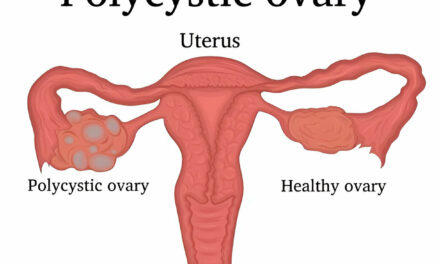

Managing weight after 40 goes beyond aesthetics; it’s about enhancing your well-being and maintaining good health. Women encounter specific challenges during this stage—such as a slowing metabolism, hormonal shifts, and the pressures of a busy life. However, there’s no need to feel overwhelmed. By implementing strategies that cater to your body’s unique requirements, you can achieve lasting weight management without constant struggle. This guide will explore everything from recognizing your body’s changes to practical advice on nutrition, exercise, mental wellness, and beyond. Let’s get started!
Understanding the Changes in Your 40s
Slower Metabolism: Why It Happens
As you get older, your metabolism tends to slow down. Beginning in your 30s, you may notice a decrease in muscle mass, a phenomenon known as sarcopenia. Because muscle tissue burns more calories than fat, this change leads to a lower caloric requirement for your body to sustain its current weight.

Hormonal Shifts
Hormonal fluctuations during perimenopause and menopause can contribute to weight gain, especially in the abdominal area. Decreased estrogen levels are commonly associated with shifts in fat distribution, heightened appetite, and alterations in the way your body stores fat.
Busy Lifestyles and Priorities
Let’s be honest: women over 40 frequently balance careers, family, and personal obligations. These responsibilities can make it challenging to find time for self-care and healthy routines.

Why Weight Management Matters After 40
Maintaining a healthy weight goes beyond just looking good; it plays a crucial role in your overall health. Carrying excess weight can heighten your risk of:
- Heart disease
- Type 2 diabetes
- Osteoarthritis
- Certain cancers
By prioritizing sustainable weight management today, you’ll pave the way for a healthier and more active future.
Step 1: Reset Your Mindset

Focus on Health, Not the Scale
First and foremost, stop fixating on the scale. Focus instead on how you feel—your energy, mental clarity, and overall well-being. The number on the scale is merely one part of the bigger picture.
Practice Self-Compassion
You’re no longer in your 20s, and that’s perfectly fine. Accept the changes that come with getting older, and be gentle with yourself as you pursue your goals. Remember, managing your weight is a long-term journey, not a quick race.

Step 2: Revamp Your Diet
Prioritize Protein
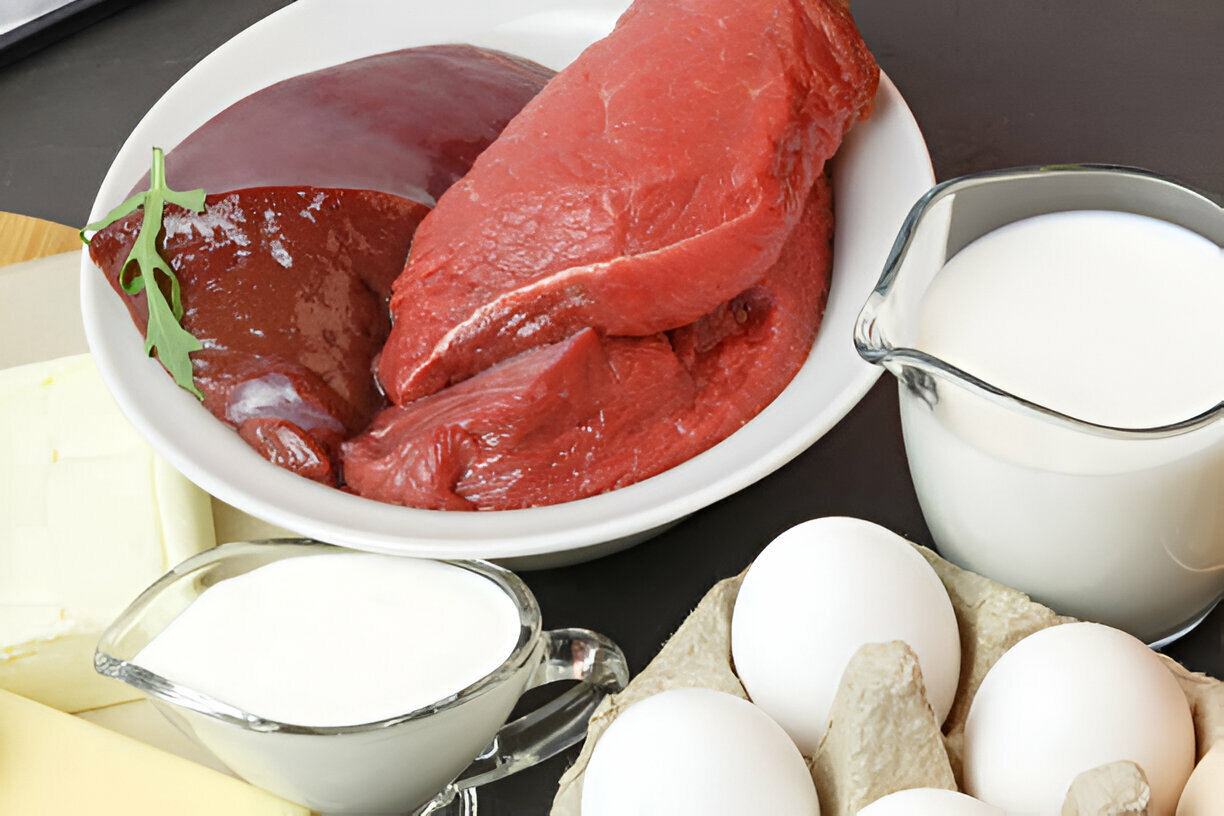
Protein becomes essential for weight management after the age of 40. It aids in maintaining muscle mass, helps you feel fuller for a longer time, and boosts your metabolism. Focus on lean options such as chicken, fish, tofu, eggs, and Greek yogurt.
Fill Up on Fiber
Foods high in fiber, such as vegetables, fruits, whole grains, and legumes, are great for digestion and keeping you full. They also help manage blood sugar levels, which can reduce fat storage.


Cut Back on Refined Carbs
Foods such as white bread, pasta, and sugary treats can cause your blood sugar to rise quickly, resulting in energy dips and potential weight gain. It’s better to choose whole-grain options instead.
Healthy Fats Are Key
Include heart-healthy fats from foods such as avocados, nuts, seeds, and olive oil. These fats help you feel full and are beneficial for hormone health.

Step 3: Get Moving (Even If You’re Busy)

Strength Training: Build and Preserve Muscle
Building muscle mass is essential for a healthy metabolism. Aim to include strength training exercises in your routine at least 2 to 3 times a week. This can involve bodyweight exercises, using resistance bands, or lifting weights.
Cardio for Heart Health
Engaging in cardiovascular activities such as brisk walking, swimming, or cycling can enhance heart health and help burn calories. Try to get in at least 150 minutes of moderate exercise each week.


Incorporate NEAT (Non-Exercise Activity Thermogenesis)
Small activities during the day—such as using the stairs, tending to your garden, or walking while talking on the phone—can accumulate and help increase calorie expenditure.
Step 4: Manage Stress
The Stress-Weight Connection
Chronic stress raises cortisol levels, which can result in fat accumulation, particularly around the abdomen.


Stress-Relief Technique
Meditation: Dedicate 10–15 minutes daily to practice mindfulness.
Yoga: Merges physical movement with relaxation techniques.
Journaling: Record your thoughts to help clear your mind and alleviate stress.
Step 5: Sleep Your Way to a Healthy Weight

Why Sleep Matters
Sleep is frequently underestimated, yet it plays a vital role in managing weight. Lack of sleep interferes with hunger hormones like ghrelin and leptin, increasing the chances of overeating.
Sleep Tips
- Stick to a consistent bedtime.
- Create a calming bedtime routine.
- Avoid screens and caffeine before bed.
Step 6: Build a Positive Relationship with Food

Ditch the Diet Mentality
Extreme diets frequently result in exhaustion and a cycle of gaining and losing weight. Instead, concentrate on building sustainable habits that you can stick with for the long term.
Enjoy Treats in Moderation
Depriving yourself of your favorite foods can lead to cravings. Instead, savor your treats every now and then and do so mindfully.
Step 7: Track Your Progress (Without Obsessing)
Non-Scale Victories
Take a moment to appreciate achievements such as having more energy, sleeping better, or being able to wear your favorite jeans again.
Use Apps Wisely
Utilize apps like MyFitnessPal or Cronometer to monitor your food intake and exercise, but be careful not to let them become too stressful.
Conclusion
Managing weight for women over 40 can be challenging, but it’s definitely achievable. By accepting the changes in your body, prioritizing your health, and adopting sustainable habits, you can thrive in this vibrant stage of life. Begin with small steps, maintain consistency, and keep in mind: it’s always the right time to put yourself first.
After 40, weight management isn’t just about calories—it’s about metabolism and hormonal balance.
FAQs
1. Can women over 40 still lose weight?
Absolutely! While it may be slower due to hormonal changes and a slower metabolism, weight loss is entirely achievable with the right approach.
2. How many calories should women over 40 eat?
Calorie needs vary, but on average, women over 40 require 1,800–2,200 calories daily, depending on activity levels and health goals.
3. Is strength training more important than cardio?
Both are important, but strength training is crucial for preserving muscle mass and boosting metabolism after 40.
4. Can stress really cause weight gain?
Yes, chronic stress raises cortisol levels, leading to increased appetite and fat storage, especially around the belly.
5. Are there specific supplements women over 40 should take?
Talk to your doctor about supplements like vitamin D, calcium, and omega-3s to support bone health and overall wellness.