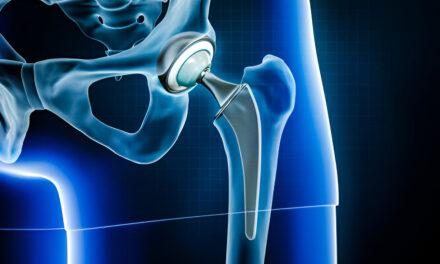

Knee osteoarthritis (OA) is a prevalent degenerative joint condition that impacts millions globally. It leads to pain, stiffness, and decreased mobility, affecting daily activities and overall quality of life. Fortunately, medical advancements in 2024 have brought forth innovative treatments that can greatly alleviate symptoms and slow the disease’s progression.
In this detailed guide, we will examine the most effective treatments for knee osteoarthritis, covering everything from lifestyle modifications to the latest medical interventions.
Understanding Knee Osteoarthritis
Knee osteoarthritis happens when the protective cartilage that cushions the ends of your bones gradually wears away. This deterioration can result in pain, swelling, and challenges in moving the knee joint. Factors such as aging, obesity, genetics, and previous injuries play a role in the onset of OA. At Gondal Medical & Trauma Center, Dr. Tafseer Gondal, a well-respected orthopedic specialist, offers expert care and tailored treatment plans to effectively manage knee osteoarthritis.

Lifestyle Modifications for Knee Osteoarthritis

1. Weight Management
Carrying excess weight adds extra pressure on the knee joints. Shedding some pounds can lighten the load on your knees and greatly ease discomfort. Emphasize a Balanced Diet: Include nutrient-rich foods that promote joint health. Stay Active: Engage in low-impact exercises such as swimming and cycling to manage weight while protecting your knees.

2. Physical Therapy
Targeted physical therapy exercises can help strengthen the muscles surrounding the knee, enhance flexibility, and alleviate pain. Strengthening Exercises: Emphasize building the quadriceps and hamstrings. Stretching: Enhance joint mobility and decrease stiffness. Hydrotherapy: Performing exercises in water reduces joint strain while offering effective resistance.
Non-Surgical Treatments

1. Medications
Medications play a crucial role in alleviating symptoms of knee osteoarthritis: Pain Relievers: Acetaminophen and NSAIDs are effective in reducing pain and inflammation. Topical Analgesics: Gels and creams can deliver targeted relief. Corticosteroid Injections: These provide short-term relief from intense inflammation.
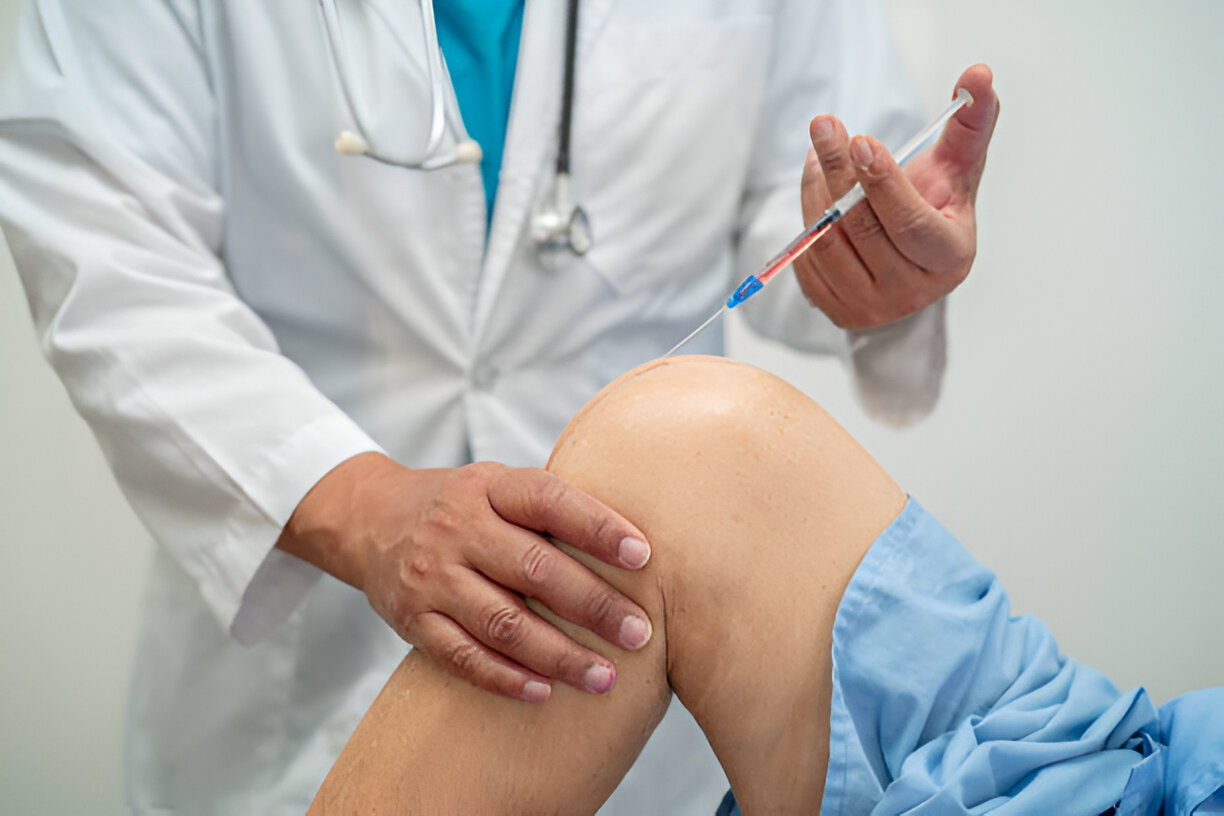
2. Platelet-Rich Plasma (PRP) Therapy
PRP therapy utilizes a patient’s blood plasma, which is rich in platelets, to aid in healing and decrease inflammation in the knee joint. This cutting-edge treatment has become increasingly popular in 2025 due to its effectiveness.

3. Hyaluronic Acid Injections
Hyaluronic acid serves as a lubricant for the knee joint, enhancing mobility and alleviating pain. It is especially helpful for individuals with mild to moderate osteoarthritis.

4. Dietary Supplements
Certain supplements can help support joint health and ease symptoms:
Glucosamine and Chondroitin: Aid in the repair of cartilage. Omega-3
Fatty Acids: Help to reduce inflammation.
Vitamin D: Contributes to bone health and can alleviate pain.
Advanced Medical Treatments
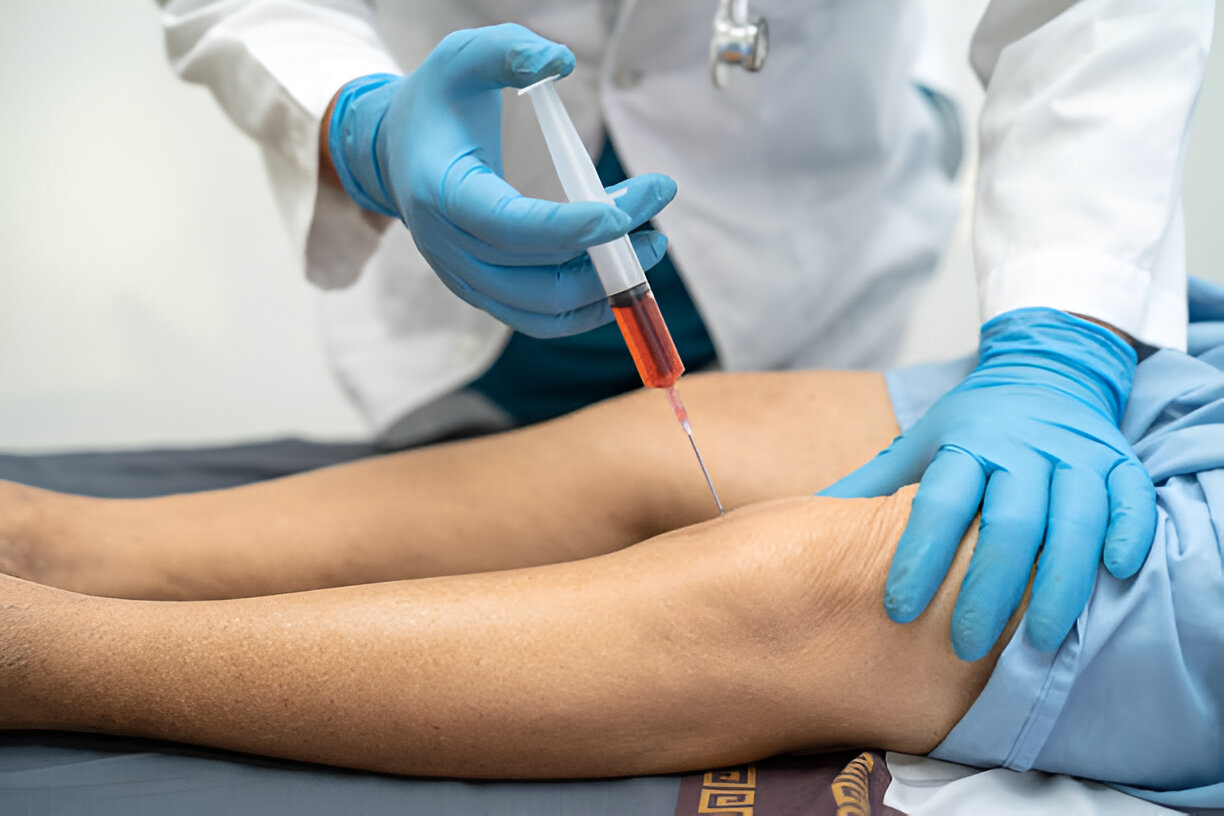
1. Stem Cell Therapy
Stem cell therapy is transforming how we treat knee osteoarthritis. This innovative approach includes injecting stem cells directly into the knee joint to help repair damaged cartilage and alleviate inflammation.
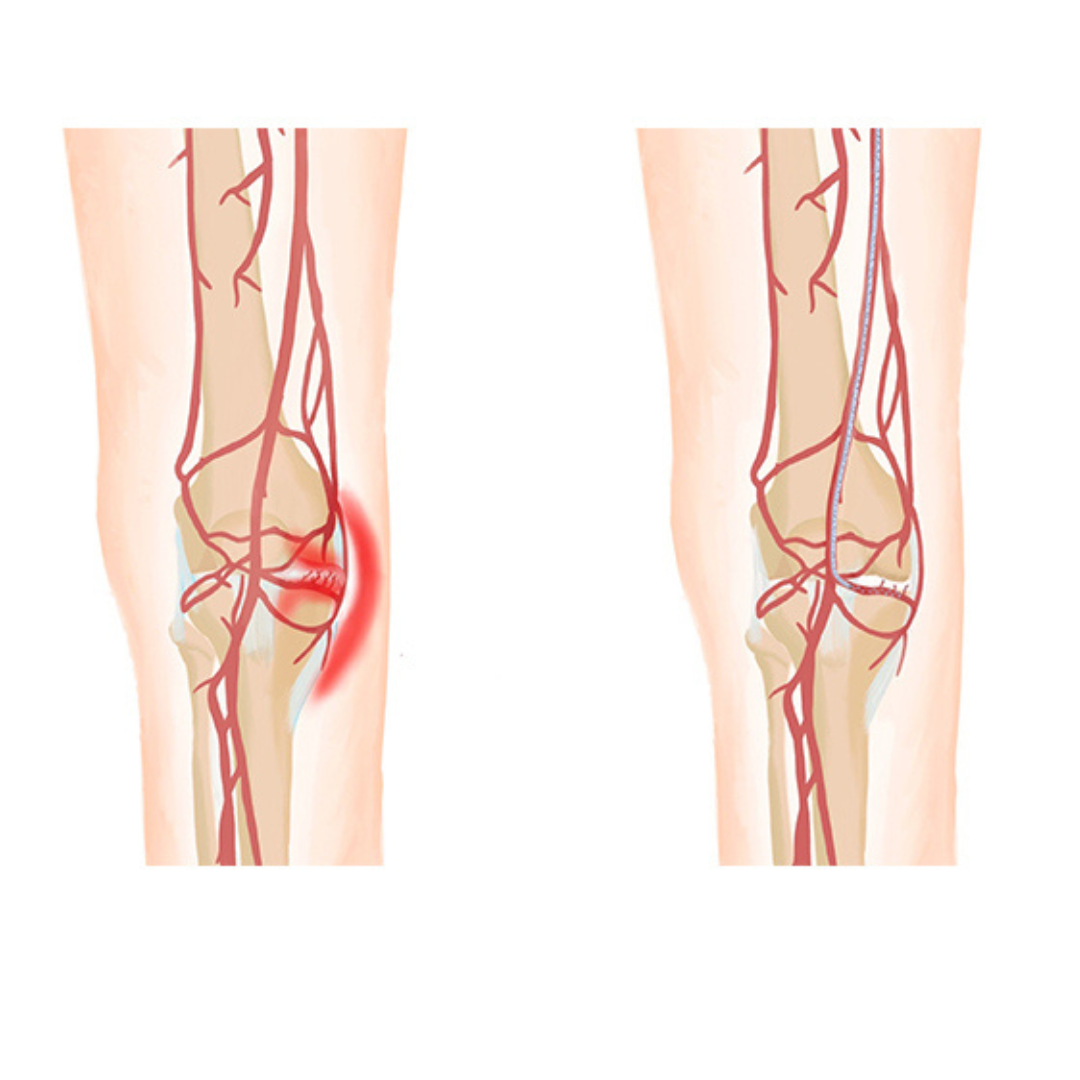
2. Genicular Artery Embolization (GAE)
Certain supplements can help support joint health and ease symptoms:
Glucosamine and Chondroitin: Aid in the repair of cartilage. Omega-3
Fatty Acids: Help to reduce inflammation.
Vitamin D: Contributes to bone health and can alleviate pain.
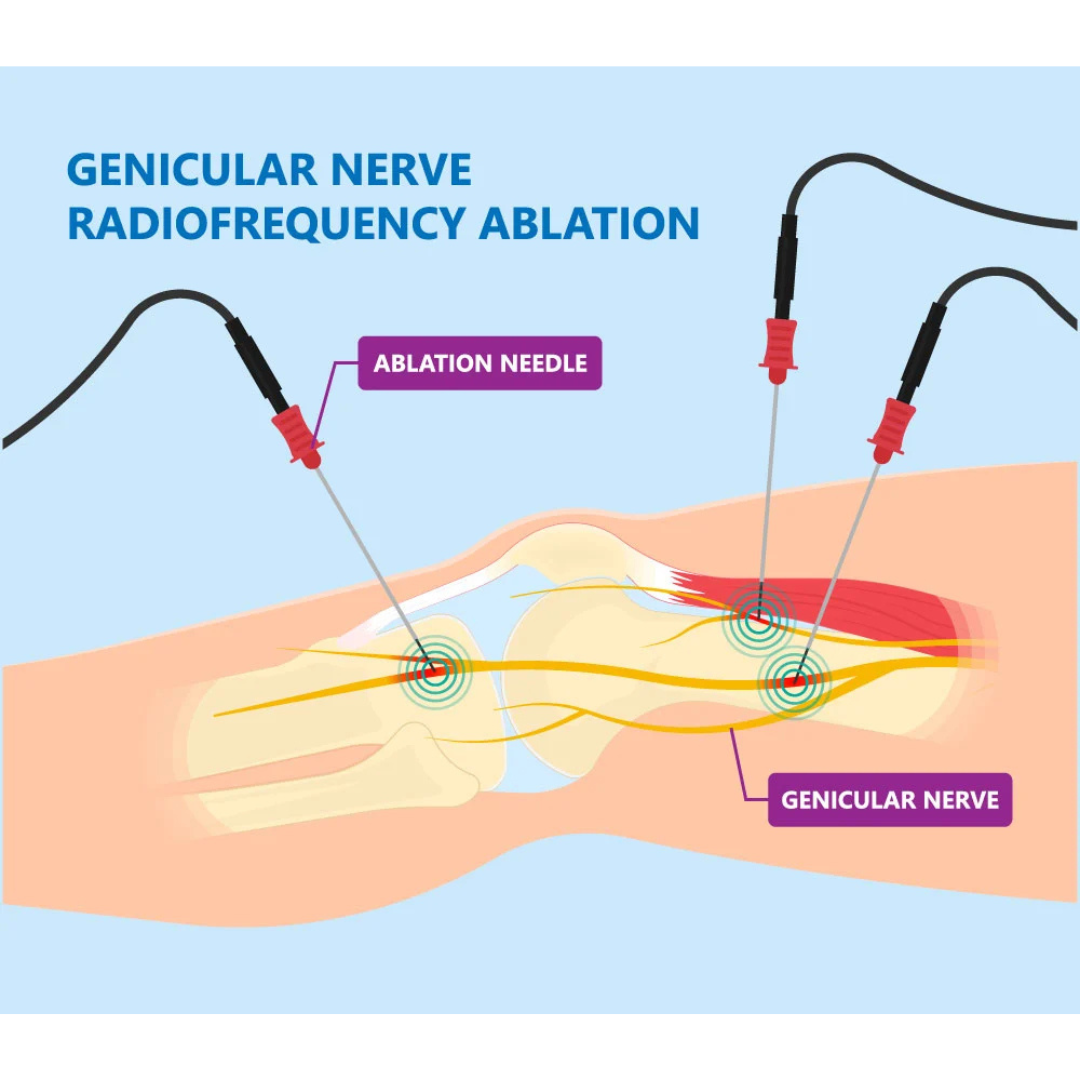
3. Radiofrequency Ablation (RFA)
RFA utilizes heat produced by radio waves to specifically target and disable the nerves responsible for knee pain. This method is a safe and effective choice for patients who have not found relief through traditional therapies.
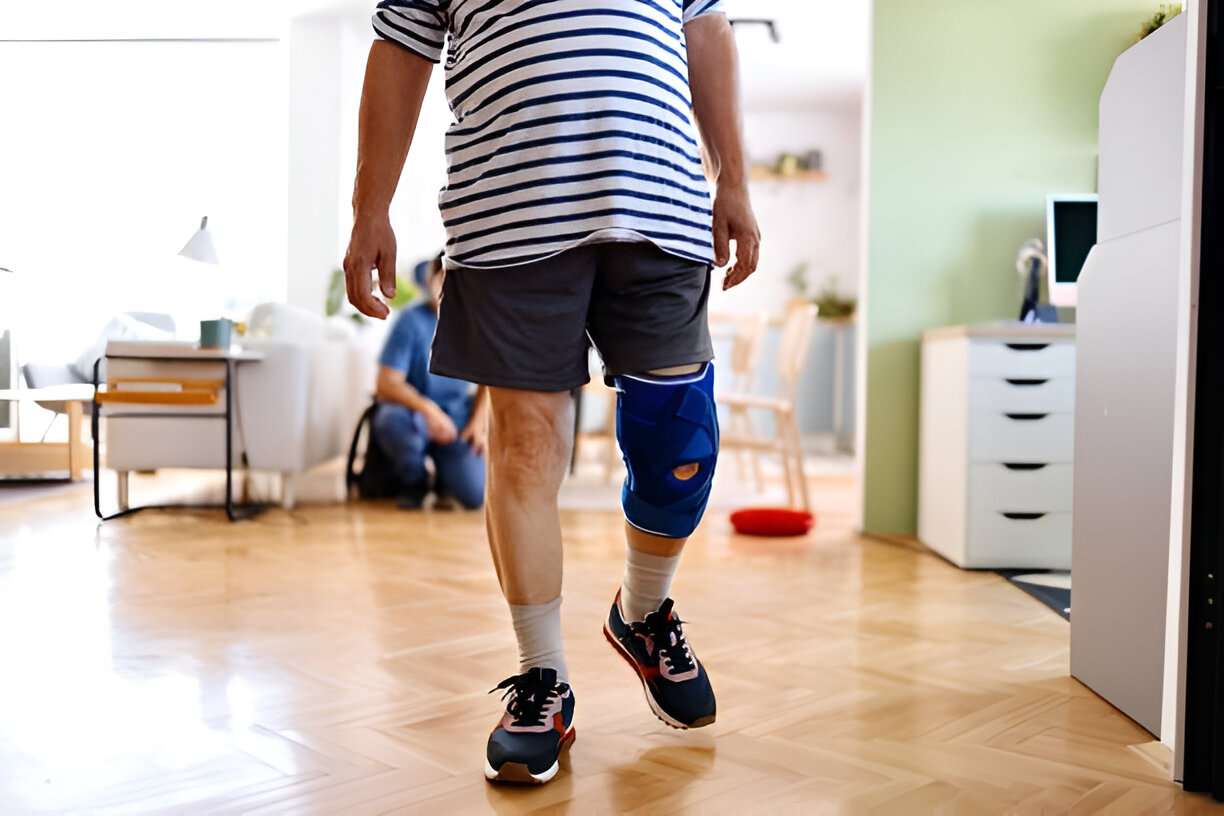
4. Customized Knee Braces
Advanced knee braces offer support, help align the joint, and alleviate pressure on certain areas of the knee. They are customized to meet individual needs for optimal benefit.
Surgical Options for Severe Knee Osteoarthritis
1. Arthroscopy
Arthroscopy is a minimally invasive surgical procedure that helps remove damaged cartilage and bone fragments from the knee joint.
2. Osteotomy
This surgical procedure focuses on reshaping the bones to redistribute weight from the damaged area of the knee. It is particularly suitable for younger patients who have localized osteoarthritis.
3. Total Knee Replacement (TKR)
When other treatments don’t work, total knee replacement becomes the best option. The damaged joint is replaced with a prosthetic implant, which helps restore function and alleviate pain.
At Gondal Medical & Trauma Center, Dr. Tafseer Gondal focuses on advanced surgical techniques, such as total knee replacement, to provide optimal results for his patients.
FAQs About Knee Osteoarthritis
1. What is the best exercise for knee osteoarthritis?
Low-impact exercises like swimming, cycling, and yoga are ideal for managing symptoms without putting stress on the knee joints.
2. How can I prevent knee osteoarthritis from worsening?
Maintain a healthy weight, stay active, and follow your doctor’s advice on managing symptoms and slowing disease progression.
3. Is surgery always necessary for knee osteoarthritis?
No, many patients find relief through non-surgical treatments like physical therapy, medications, and injections. Surgery is only recommended for severe cases.
4. How long does recovery take after a total knee replacement?
Most patients resume normal activities within 3-6 months after surgery, although full recovery may take up to a year.
5. Are there any side effects of stem cell therapy?
Stem cell therapy is generally safe, but some patients may experience mild swelling or discomfort at the injection site.