

In our fast-paced society, sleep frequently gets pushed aside in favor of work, family, and social obligations. Yet, the price of neglecting sleep is much higher than many understand. Lack of sleep significantly impacts both physical and mental well-being, often resulting in serious repercussions. For those in the USA, where stress and busy lifestyles are prevalent, recognizing the connection between sleep deprivation and mental health is crucial.
Introduction: What Is Sleep Deprivation?
Sleep deprivation happens when a person regularly doesn’t get enough rest, which can be due to lifestyle habits, job responsibilities, or health problems. Adults are generally advised to sleep for 7 to 9 hours each night, yet research indicates that more than a third of adults in the USA fall short of this recommendation. This insufficient sleep can drain physical energy and negatively affect mental health, influencing emotional stability, decision-making abilities, and stress management.
The link between lack of sleep and mental health is clear. Not getting enough sleep can lead to or worsen mental health problems like anxiety and depression, and can even contribute to more serious conditions such as bipolar disorder or schizophrenia. By tackling the underlying reasons for sleep deprivation and making rest a priority, people can greatly enhance their mental health.
The Science Behind Sleep and Mental Health
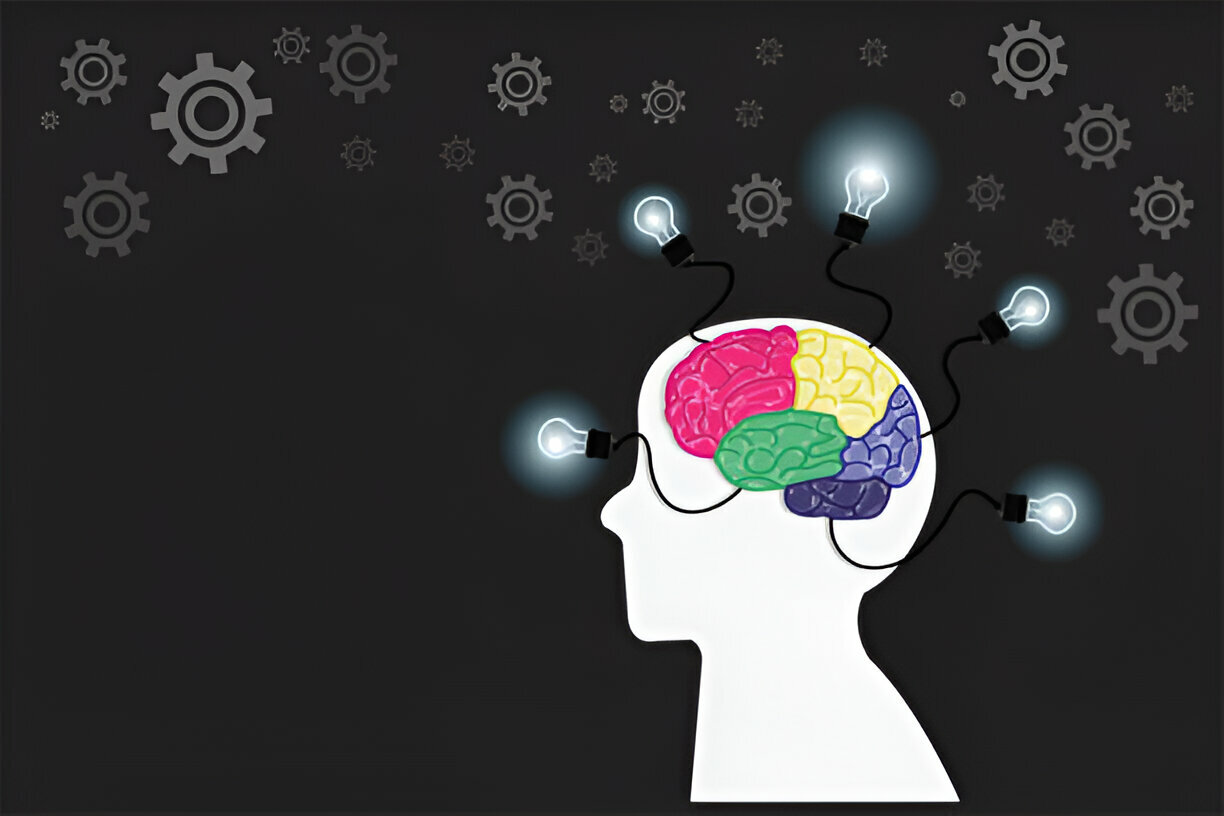
Sleep plays a crucial role in how our brain functions and manages emotions. While we sleep, our brain works on processing feelings, solidifying memories, and healing itself. When we don’t get enough sleep, these important processes are thrown off, resulting in problems with thinking and emotional balance.
Studies show that lack of sleep impacts the prefrontal cortex, responsible for decision-making and impulse control, as well as the amygdala, which handles emotions such as fear and anger. When people don’t get enough sleep, they tend to respond more negatively to stress, which can further affect their mental well-being.
Common Mental Health Issues Linked to Sleep Deprivation
Anxiety Disorders
Lack of sleep increases the activity in the amygdala, leading to stronger fear reactions. This can exacerbate issues such as generalized anxiety disorder or panic attacks.


Depression
Lack of sufficient sleep can lower serotonin levels, which is a key neurotransmitter for regulating mood. Research shows that individuals suffering from chronic insomnia are ten times more likely to experience depression.
Bipolar Disorder
Disruptions in sleep can lead to manic or depressive episodes in people with bipolar disorder, emphasizing the need for consistent sleep patterns to effectively manage this condition.


Cognitive Impairments
Lack of sleep affects your ability to concentrate, remember things, and solve problems, which can make everyday activities feel more difficult and frustrating.
How Sleep Deprivation Impacts Stress, Anxiety, and Depression
The connection between sleep deprivation and stress is a two-way street. Stress can result in inadequate sleep, and in turn, lack of sleep can heighten stress levels. Likewise, those dealing with anxiety might struggle to fall asleep because of their racing thoughts, which perpetuates the cycle. Additionally, depression is often associated with irregular sleep patterns, with many individuals experiencing either insomnia or excessive sleepiness.
The Role of Hormones in Sleep and Emotional Regulation
Hormones play a pivotal role in sleep and mental health. Key hormones influenced by sleep deprivation include:
- Cortisol: Often referred to as the stress hormone, cortisol levels increase with sleep deprivation, intensifying feelings of anxiety and stress.
- Melatonin: This hormone regulates sleep-wake cycles. Disrupted sleep suppresses melatonin production, making it harder to fall and stay asleep.
- Serotonin and Dopamine: These “feel-good” neurotransmitters are critical for emotional well-being, and their levels are directly affected by sleep quality.
By understanding these hormonal changes, individuals can take targeted steps to improve both their sleep and mental health.
Tips to Improve Sleep for Better Mental Well-Being
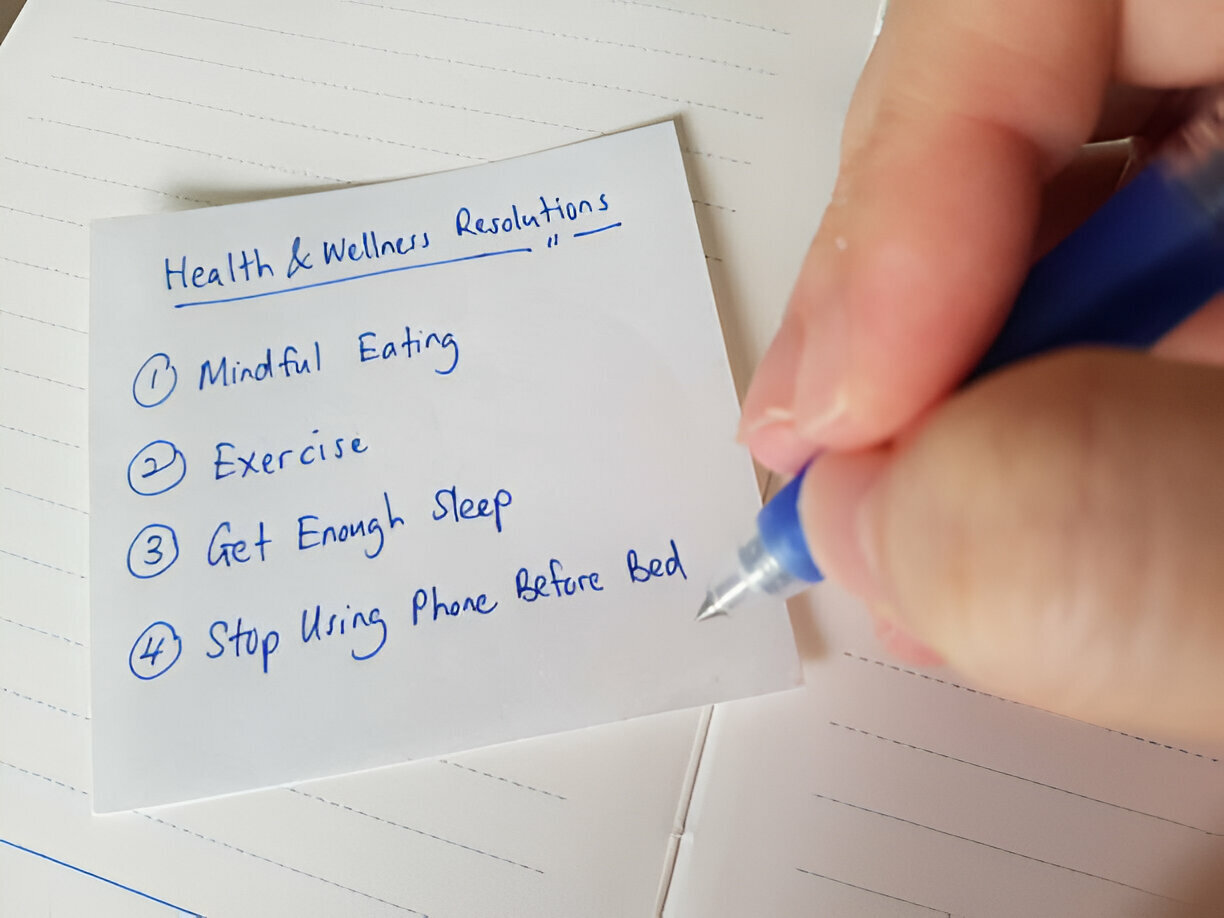
-
Establish a Consistent Sleep Schedule
Go to bed and wake up at the same time every day, even on weekends. -
Create a Relaxing Bedtime Routine
Engage in calming activities like reading, meditation, or taking a warm bath to signal your body it’s time to sleep. -
Limit Screen Time
Blue light from screens suppresses melatonin production. Avoid screens at least an hour before bed. -
Optimize Your Sleep Environment
Ensure your bedroom is dark, quiet, and cool. Invest in a comfortable mattress and pillows. -
Avoid Stimulants and Heavy Meals Before Bedtime
Caffeine, nicotine, and heavy meals can disrupt sleep. Opt for a light snack if needed. -
Incorporate Regular Exercise
Physical activity promotes better
Importance of Professional Help for Sleep and Mental Health
If lifestyle changes fail to enhance sleep quality, it’s important to seek professional assistance. Sleep specialists can help diagnose underlying problems such as sleep apnea, while mental health experts can tackle issues like insomnia or anxiety. Cognitive-behavioral therapy for insomnia (CBT-I) is an effective approach to improving sleep without the use of medication.
When sleep deprivation drains your energy, essential nutrients can help your body recover faster—
FAQs
1. What are the first signs of sleep deprivation affecting mental health?
- Early signs include irritability, difficulty concentrating, mood swings, and feeling overwhelmed by minor tasks.
2. Can sleep deprivation lead to long-term mental illnesses?
- Yes, chronic sleep deprivation increases the risk of developing conditions like depression, anxiety disorders, and even psychosis in extreme cases.
3. How can you recover from sleep deprivation?
- Gradually increase sleep hours, maintain a consistent sleep schedule, and practice good sleep hygiene. Consulting a professional may be necessary for severe cases.
Conclusion
Sleep is essential, not a luxury; it plays a crucial role in both mental and physical health. The consequences of not getting enough sleep can be extensive, impacting everything from emotional balance to cognitive abilities. By making sleep a priority and embracing healthy habits, people can greatly improve their overall well-being. If you or someone you know is facing sleep challenges, don’t hesitate to reach out for help. Professional support can be incredibly beneficial, leading to improved sleep and a healthier mindset. Start prioritizing sleep today—for the sake of your mental health, productivity, and overall quality of life.