What is PCOS?
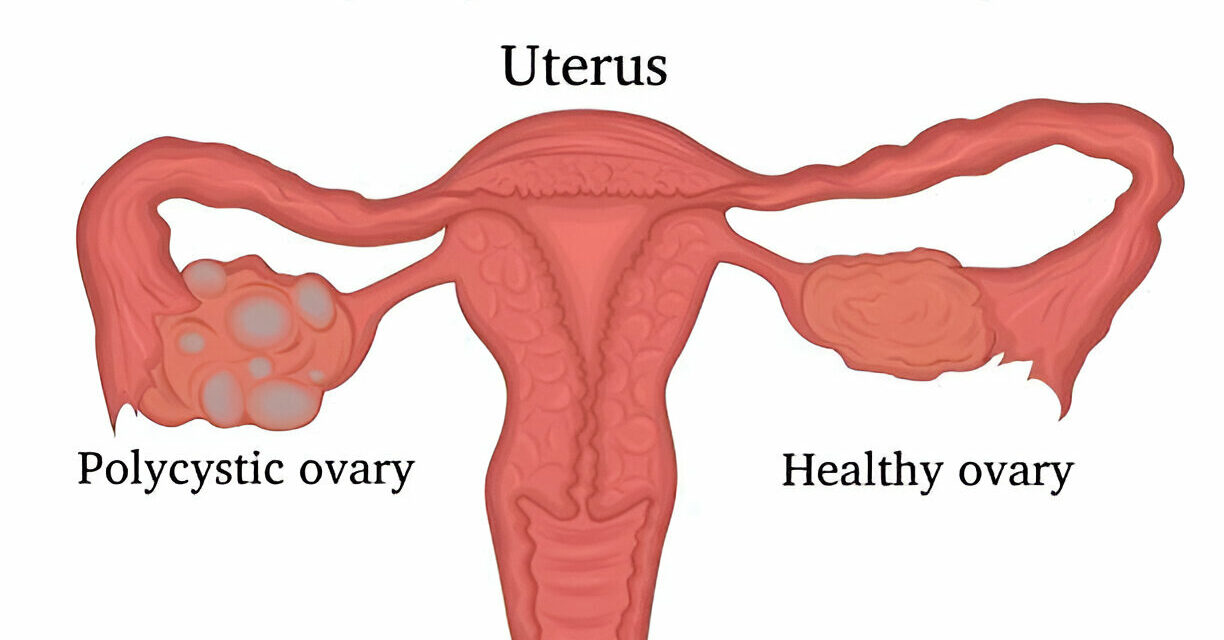
Polycystic Ovary Syndrome, often referred to as PCOS, is a hormonal disorder impacting millions of women globally, especially those in their reproductive years. This condition is marked by an imbalance in reproductive hormones, which can interfere with the normal operation of the ovaries. As a result, women may experience irregular menstrual cycles, elevated levels of male hormones (androgens), and the formation of small fluid-filled sacs, known as follicles, within the ovaries.
What Does PCOS Stand For?
PCOS stands for Polycystic Ovary Syndrome. Breaking this down:
- Poly means “many,”
- Cystic refers to “cysts,”
- Ovary refers to the female reproductive organ, and
- Syndrome implies a collection of symptoms.
Essentially, it is a condition where the ovaries produce an excessive amount of immature follicles or cysts, often linked to underlying hormonal imbalances.
Overview of the Condition
PCOS varies greatly from one woman to another; its symptoms can differ widely. Some women might face challenges like infertility and increased facial hair, while others may deal with metabolic concerns such as weight gain and insulin resistance. Although the condition can feel overwhelming, gaining a clear understanding of it is crucial for effective management.
Prevalence of PCOS
Research indicates that around 5 million women in the U.S. are affected by PCOS. This suggests that among every ten women of childbearing age, at least one might have the condition. Sadly, many cases remain undiagnosed because of insufficient awareness and varying diagnostic standards.
Impact on Women’s Lives
PCOS impacts more than just hormonal balance; it can influence nearly every facet of a woman’s life. Women may face challenges such as fertility issues, weight gain, and acne, making the condition both physically and emotionally demanding. Additionally, those with PCOS have an increased risk of long-term complications, including Type 2 diabetes, cardiovascular disease, and depression.
Managing PCOS isn’t just about diet—it’s about filling critical nutrient gaps that support hormone balance.





Trackbacks/Pingbacks